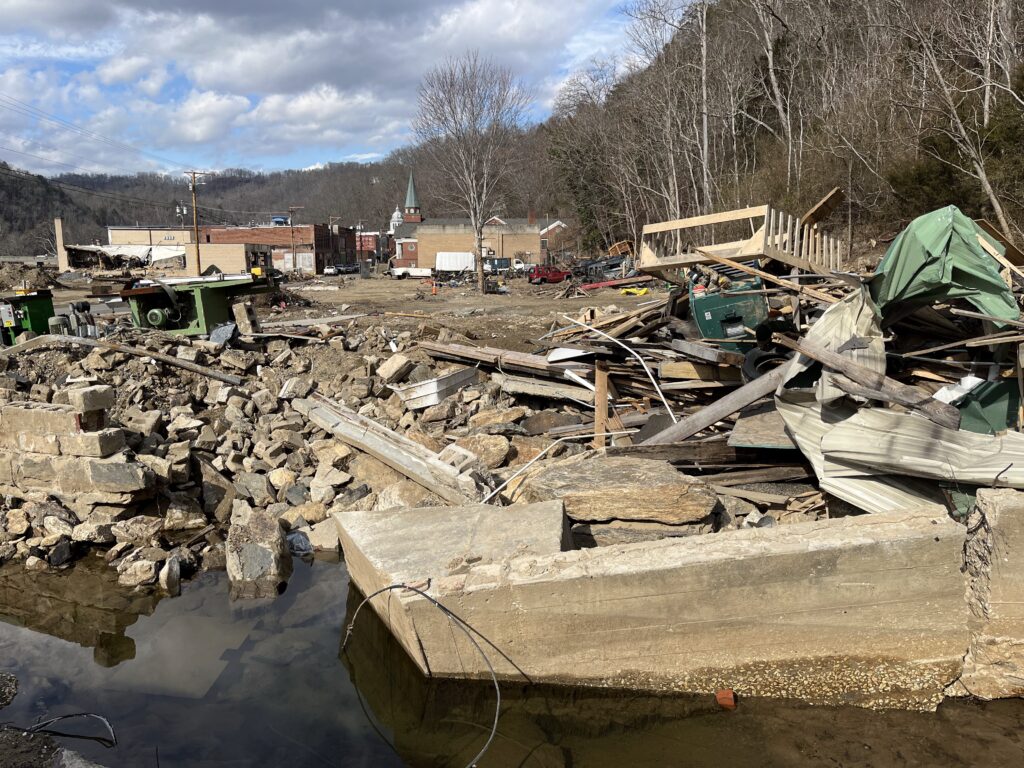


Staff from the American Flood Coalition were on the ground this month in Western North Carolina, supporting communities in their recovery from Hurricane Helene.
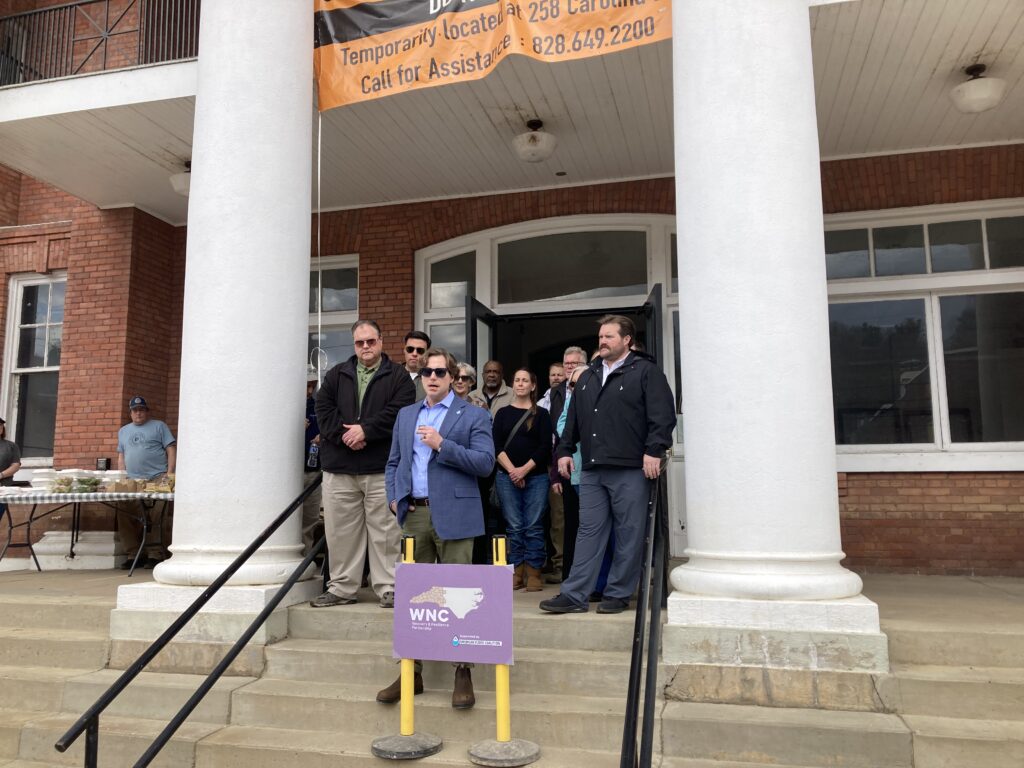
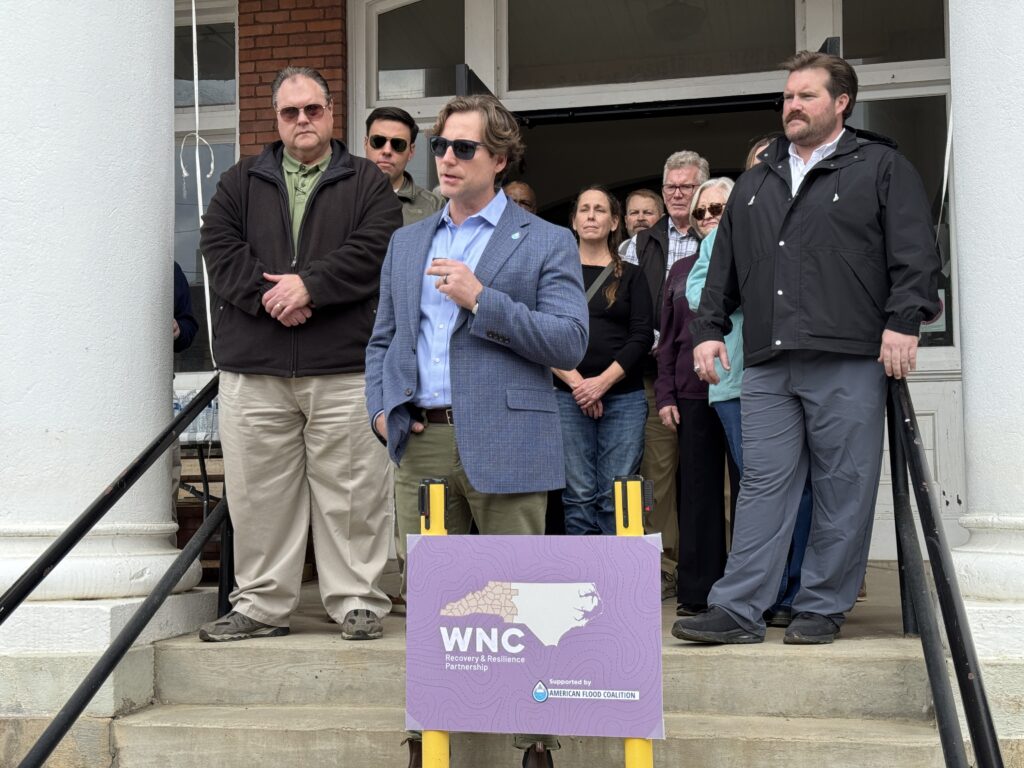
While there, AFC convened nearly two dozen local leaders to formally launch the WNC Recovery & Resilience Partnership. The Partnership is a regionally led effort to secure financial support, resources, and policy improvements that aid in Helene recovery and better prepare the state for future disasters. It’s also a way to keep the needs of the Western North Carolina region top of mind for the media, state legislature, and Congress.
“Hurricane Helene highlighted the widespread and devastating destruction of flooding on communities, especially those across Western North Carolina,” said AFC Carolinas Director Tony McEwen. “By creating a unified voice to advocate for financial support and policy improvements, this Partnership will help communities get back on their feet, while also better preparing them for the next disaster.”
Also joining the launch were Congressman Tim Moore (R-NC) and Congressman and AFC Federal Champion Chuck Edwards (R-NC), whose districts comprise many of the communities affected by Helene.
“For Marshall being a town of our size, we can worry about being forgotten through all this,” said Marshall Mayor Aaron Haynie. “But through our partners, and the efforts of us all working together, we won’t be forgotten.”
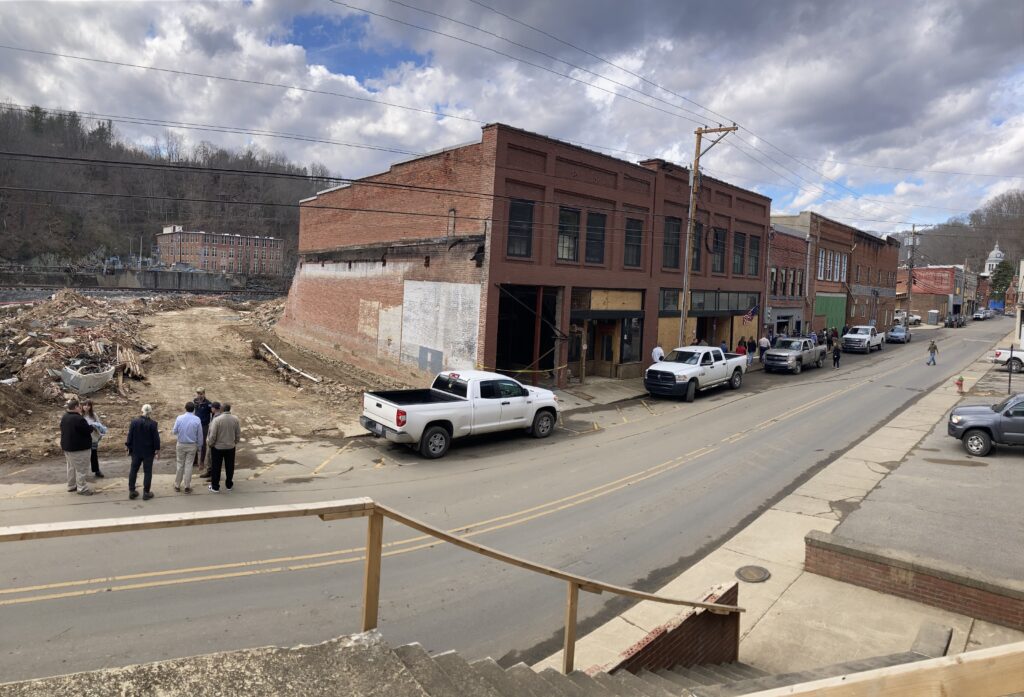
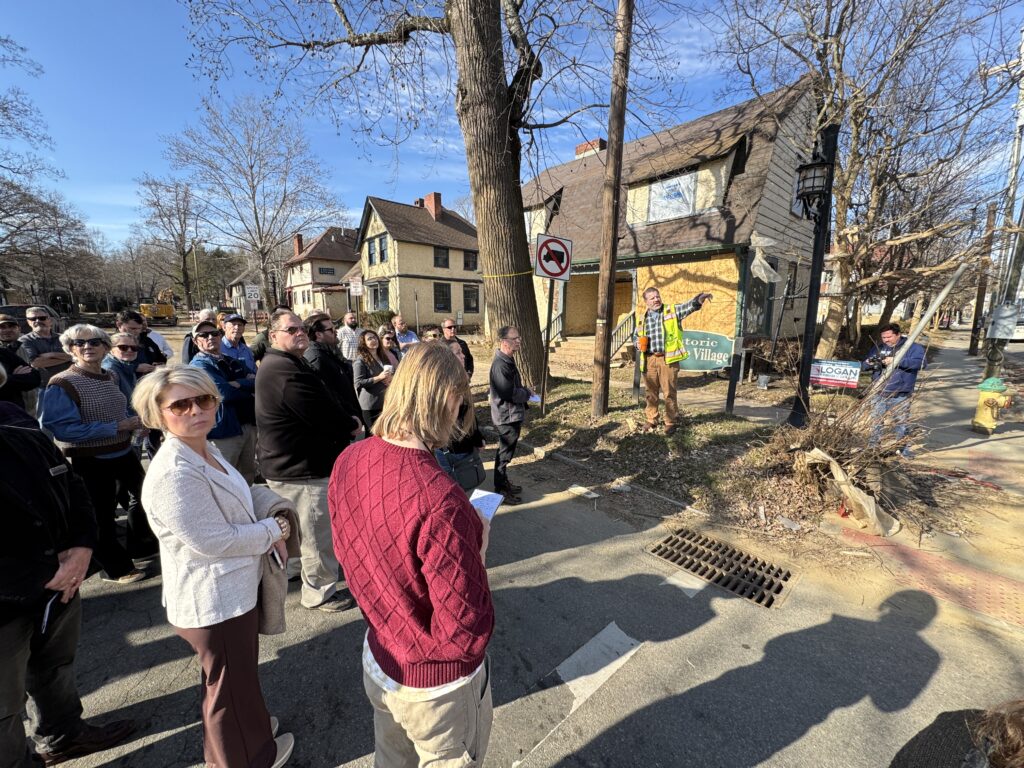
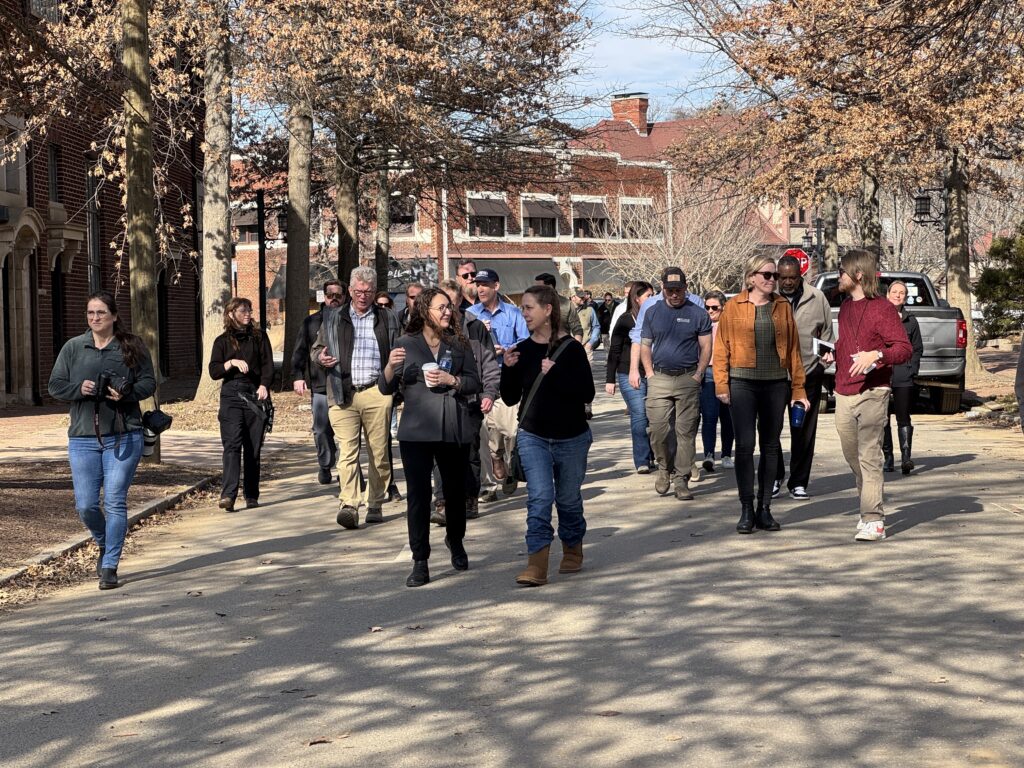
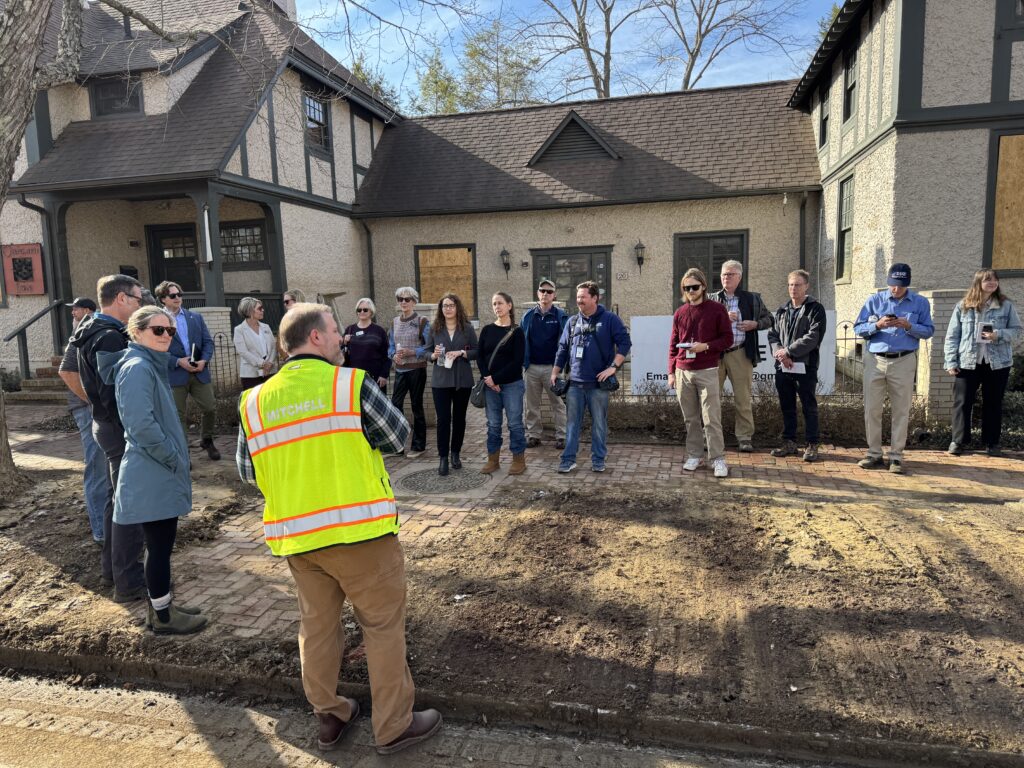
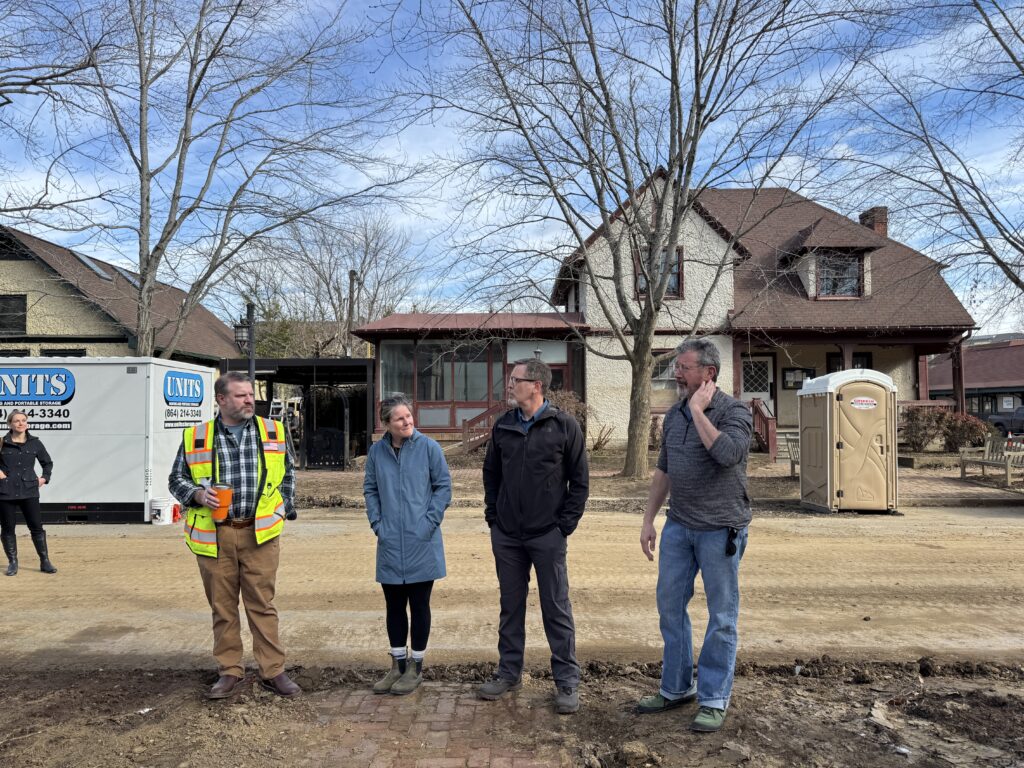
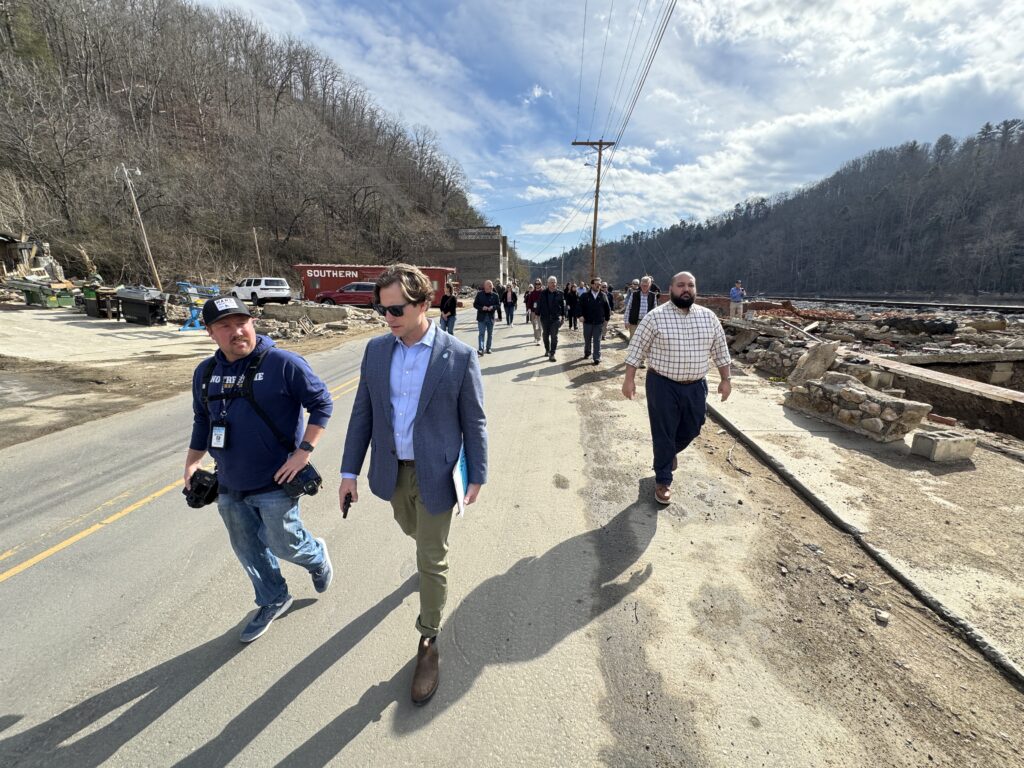
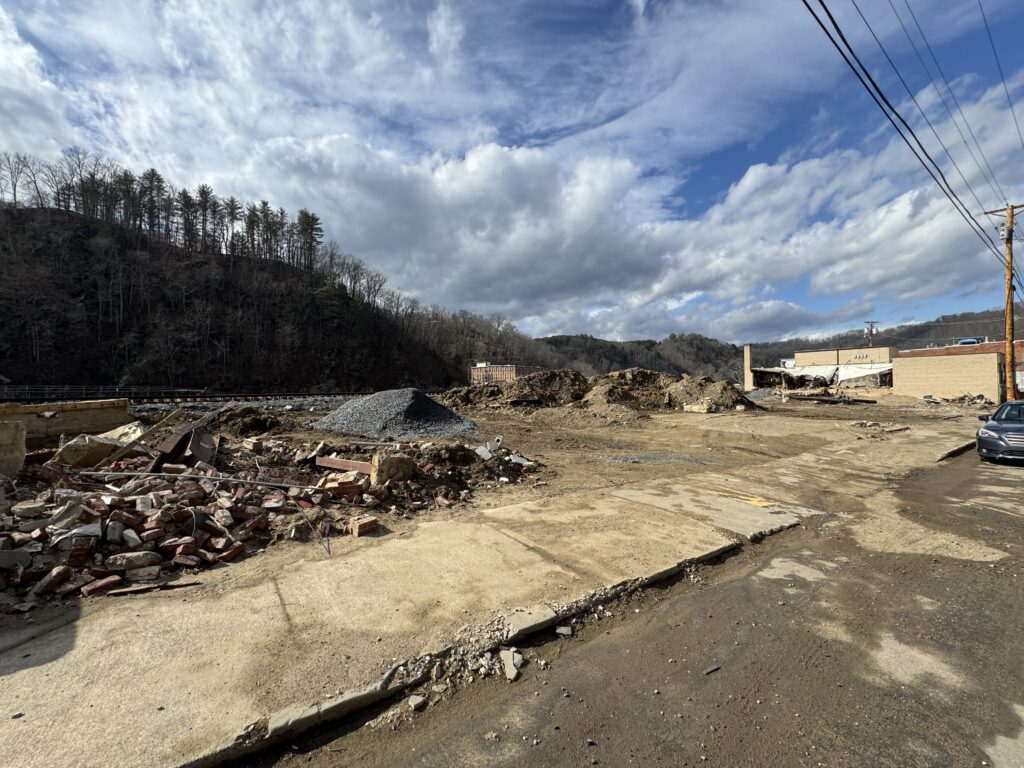
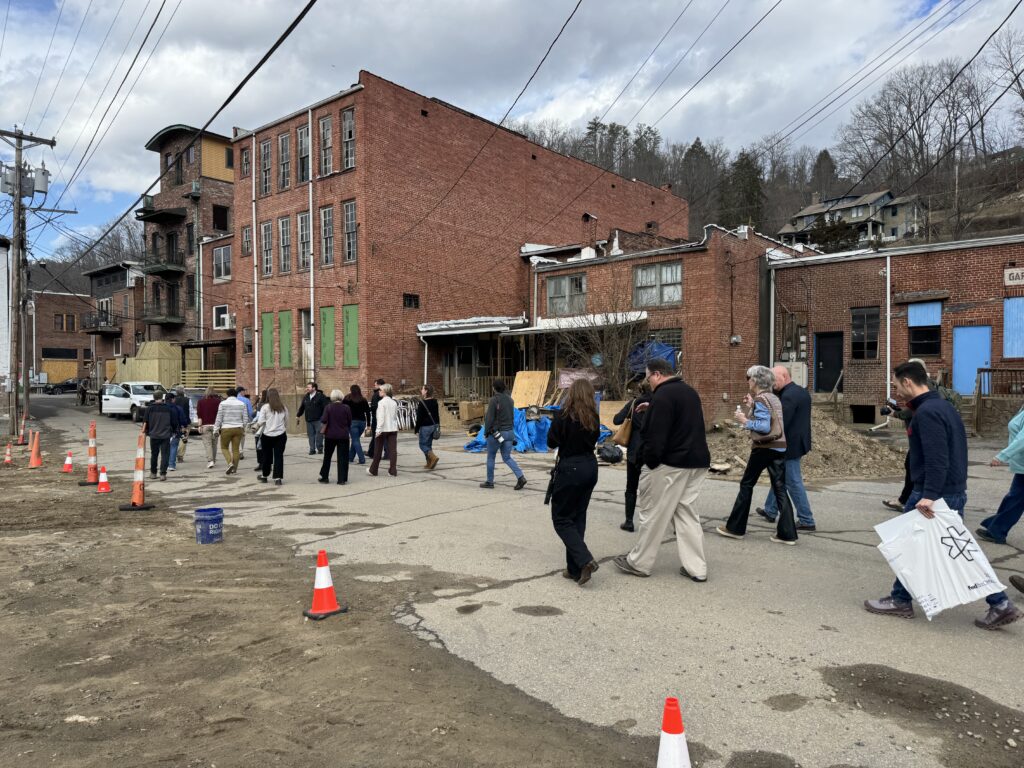
As part of the launch, AFC organized a tour of Biltmore Village in Asheville and the town of Marshall, both of which were greatly damaged by Helene. On the tours, elected leaders and state agency representatives, alongside members of Congress, met with business leaders and heard about flood risk and immediate and long-term recovery and resilience priorities.
“We’re the heart and soul of small towns in Western North Carolina,” said Chimney Rock Mayor Peter O’Leary. “We’re all facing this problem individually, but we need to face this problem together. That’s a large part of what the American Flood Coalition can help us with.”
Leaders also heard from Mayor Olivia Dawson of Burgaw, which is located about 25 miles north of Wilmington in Eastern North Carolina. Mayor Dawson spoke of the Eastern North Carolina Recovery & Resilience Alliance, also supported by the American Flood Coalition, which can serve as a model for the WNC Partnership.
The Alliance, which formed after another devastating storm, Hurricane Florence, comprises a diverse contingent of over 50 mayors and county commissioners. Like the WNC Partnership, the Alliance unifies voices and encourages collaboration at the local and regional level on flood solutions.
In addition to the site visits, AFC organized a briefing with staff from affected communities that included presentations by state agency officials on water infrastructure and disaster funding opportunities and best practices.
That briefing was followed by a roundtable with local leaders. The roundtable, which featured a discussion led by Rep. Edwards, gave leaders a platform to share their visions for short- and long-term recoveries, discuss shared challenges and frustrations, and identify common goals and advocacy priorities.
Going forward, AFC will collaborate with members of the Partnership on visits with leaders in both Raleigh, as well as Washington, D.C., to push for policy priorities that streamline recovery and help communities rebuild with resilience in mind.
As a coalition that works at all levels of government, AFC is uniquely positioned to do this work, bringing together local leaders and elevating concerns to push state and federal policymakers to streamline the federal recovery process to better serve communities.
“This Partnership is a welcomed relief for our region,” said Hot Springs Alderman Wendy Stancil. “Building a team that helps communities generate future flood mitigation, as well as securing funding for current and ongoing recovery, is an invaluable form of assistance for WNC.”
Photos from the launch