

In the wake of devastating and costly flooding, Congress examines current implementation and future needs of the Army Corps’ water resources development programs.
On July 10, the House Committee on Transportation and Infrastructure’s Subcommittee on Water Resources and Environment held a hearing to discuss America’s water infrastructure development programs, which are due for reauthorization in 2020. This effort, commonly known as the Water Resources Development Act, gives the United States Army Corps of Engineers (USACE) the authority to study, plan, and implement a variety of water-related developments.
How resilient is America’s water infrastructure?
Across the country, our aging water infrastructure is in desperate need of improvement and expansion to better prepare for rising seas and worsening storms.
Levees currently protect an estimated $1.3 trillion in property across the country. The American Society of Civil Engineers (ASCE) gave our levee system a “D” rating in 2017 — estimating that maintaining and improving it will require at least $80 billion over the next 10 years. Moreover, the average age of America’s levees is approximately 50 years, which means that many were built to withstand less severe disasters than we are experiencing today.
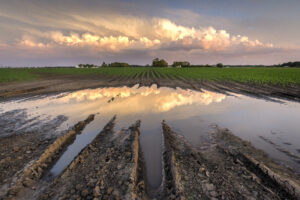
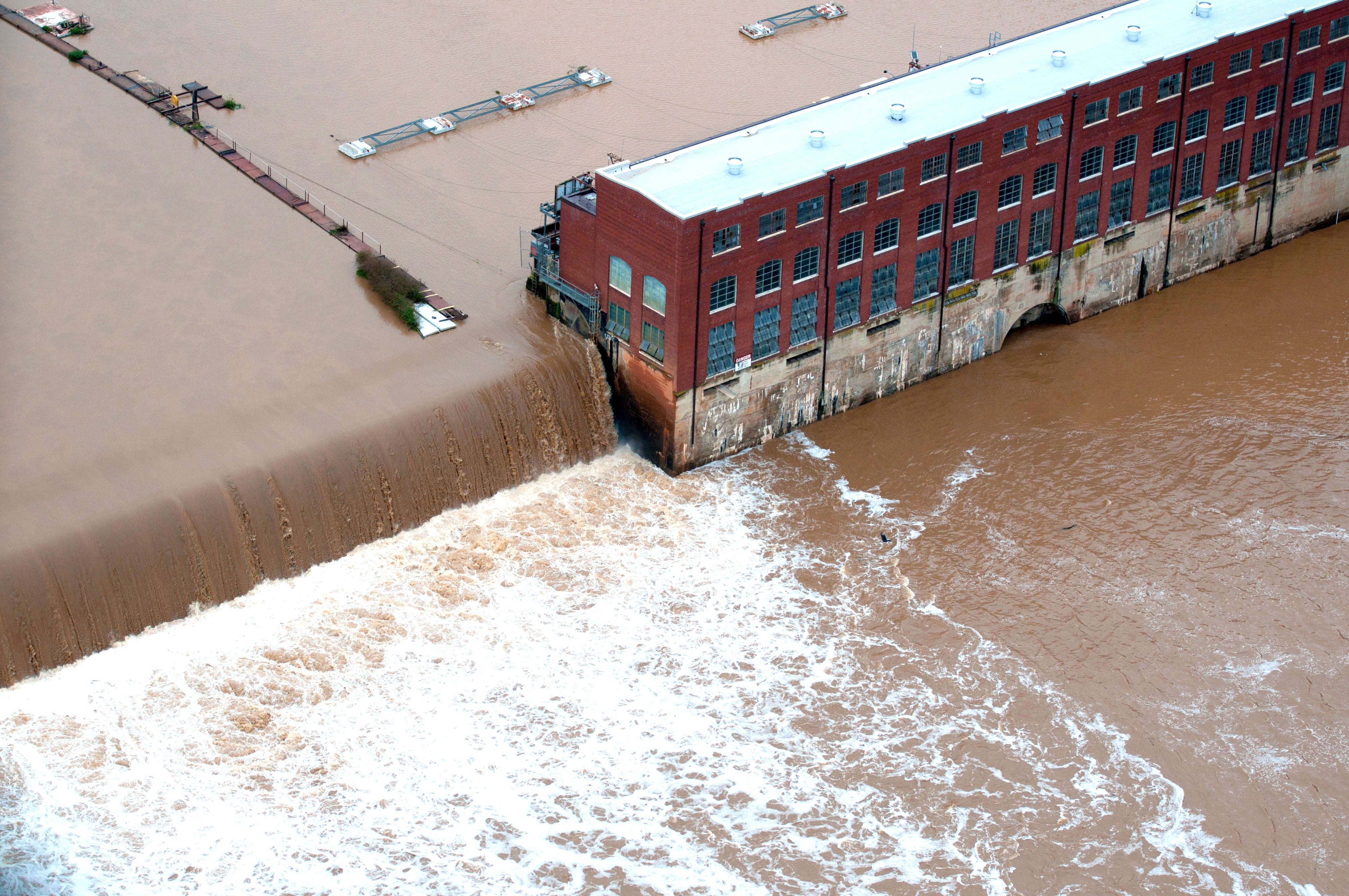
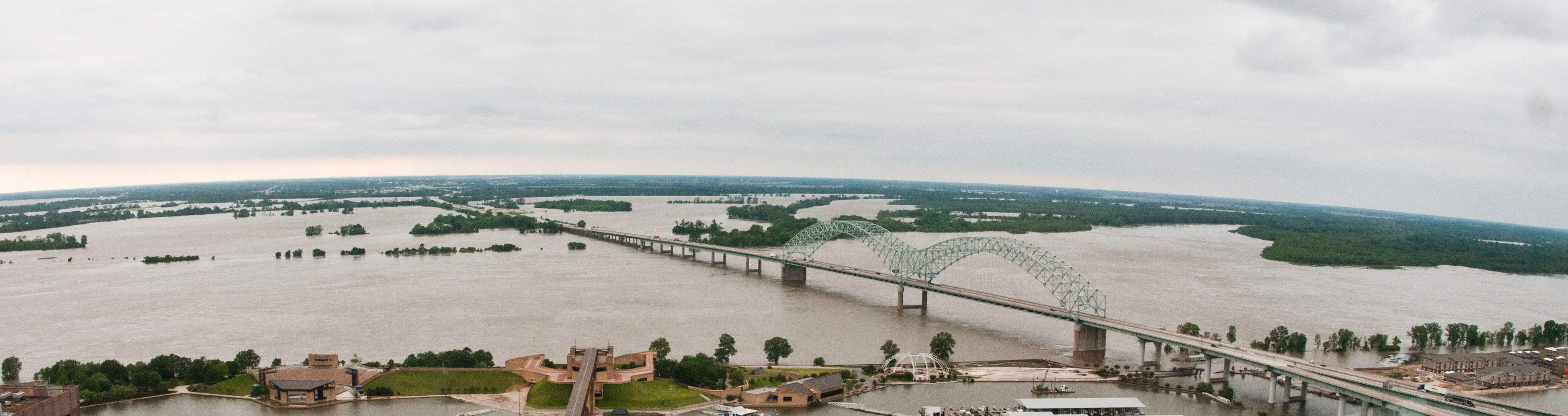
The flooding that has inundated the Midwest in the last six months demonstrates the challenge posed by worsening storms and flooding to our existing system of levees and water infrastructure. In some areas along the Mississippi, the water levels remain too high to assess the damage; however, the preliminary estimate for levee repairs alone is already almost $2 billion. In Arkansas, flooding forced officials to temporarily close barge traffic along the river, costing the state $23 million in economic losses every day.
Recent catastrophic damage has placed the work of the Army Corps under direct scrutiny. Given how much land is still inaccessible due to high water levels, the Corps has had difficulty moving ahead with repair and recovery projects. This has led to criticism from stakeholders and lawmakers, alike, who are dissatisfied with the delays in bringing relief to affected communities.
What is the Water Resources Development Act?
Since the Army Corps is not permanently authorized to execute projects, the Water Resources Development Act (WRDA) is legislation that ensures the continuation of projects related to flood protection and control, ecosystem restoration, and commercial navigation, among others. Every few years Congress must pass a reauthorization bill to ensure smooth continuation of federally funded projects.
Recent reauthorizations have reformed the way USACE conducts water resources projects by expanding the incorporation of natural infrastructure, assessing funding mechanisms, and better serving the needs of local and state stakeholders, not just federal.
What does WRDA reauthorization mean for the Army Corps, states, and local communities?
For the Army Corps, a timely reauthorization allows their current and future projects to continue as planned. However, it also generally includes a number of reforms they must implement.
The Army Corps activities authorized by WRDA substantially impact local communities’ economies and environments, and stipulations in a reauthorization can directly determine how much funding and attention different types of projects receive. Therefore, the reauthorization is an opportunity for states and communities to make their voices heard.
What key concepts were raised at the hearing?
The witnesses who testified at the July 10 hearing emphasized the urgent need to make our national water infrastructure more resilient by reforming the project delivery process and incorporating innovation into systems. In particular, the following topics were raised during the hearing:
1. Impacts of flooding
Though the hearing was intended to broadly discuss a variety of areas for potential reform in the 2020 WRDA, the discussion circled back to flooding again and again. In addition to the comments about the 2019 disasters in the Midwest, both lawmakers and witnesses cited the natural disaster’s impacts and risks in their home regions, and several called for the reestablishment of flood control as the Corps’ top priority.
Army Corps representatives stated that to best respond to future disasters, they need a better understanding of how to manage water resiliently. They also argued that the focus needed to shift from recovery to prevention, citing the statistics that every $1 invested in mitigation saves $6 in repair costs.
2. Benefits of natural infrastructure
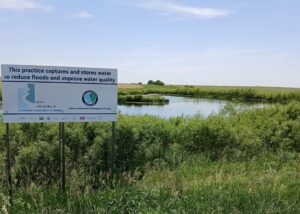
Witnesses from organizations such as the American Shore and Beach Preservation Association and the National Audubon Society argued that natural infrastructure must play a larger role in Army Corps projects. Though previous WRDAs have included provisions to support natural infrastructure, the Army Corps has been slow to incorporate these types of solutions into projects.
Witnesses also brought up concerns about benefit-cost analyses, pointing out that the current methodology undervalues natural infrastructure because it does not give enough weight to projects that produce multiple benefits (e.g., beach and dune systems that reduce flood risk while also supporting natural habitats and tourism). The system also disproportionately prioritizes projects in higher-income communities.
3. Frustration with bureaucracy and inefficiencies
Representatives and witnesses alike expressed frustration with the slow pace of Corps projects. One Congressman criticized the Army Corps for investing too much time and resources into studying projects, as opposed to completing them. Others emphasized the harmful impacts of delays, critiqued bureaucratic processes, and referenced the Corps’ massive project backlog.
The hearing’s focus on resilience and disaster impacts was a positive step towards addressing these critical issues in the upcoming reauthorization, and we will continue to keep coalition members updated with any new information we receive regarding the reauthorization process.
As always, if you have any questions or concerns please do not hesitate to contact us via social media or at info@floodcoalition.org.
This post was authored by Lindsey Reitinger, Strategic Initiatives Intern, with Victoria Sclafani, Policy Associate.