

The Senate Environment and Public Works Committee jump starts “Highway Bill” reauthorization process.
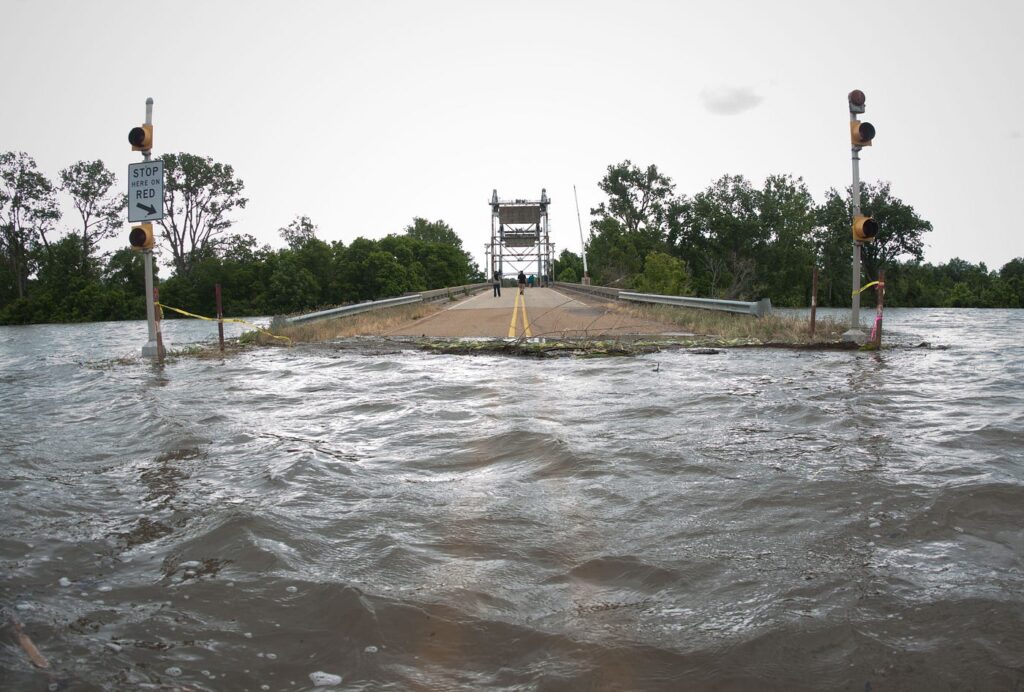
In 2017, America’s infrastructure was given a D+ rating by the American Society of Civil Engineers. Our system is particularly prone to failure, and the increase in flooding, sea level rise, and extreme weather events in recent years means that bridges and roads will be increasingly vulnerable to its effects as they continue to deteriorate. Investing strategically in improving the resilience of America’s surface transportation is of the utmost importance to prevent unnecessary spending on rebuilding in the coming years.
The nation’s surface transportation programs and improvements are currently authorized by the Fixing America’s Surface Transportation (FAST) Act of 2015. The FAST Act is set to expire in September 2020, so Congress must agree to a new surface transportation bill (a.k.a “highway bill”) before then to ensure smooth continuation of the Department of Transportation’s work. In light of this deadline, the Senate Environment and Public Works Committee held a hearing to begin this process on July 10. During the hearing, Committee Chairman John Barrasso (WY) stated that the committee intends to advance a bipartisan bill through the committee before the August recess.
Witnesses at the hearing were Luke Reiner (director of the Wyoming Department of Transportation), Carlos Braceras (executive director of the Utah Department of Transportation and president of the American Association of State Highway and Transportation Officials), Max Kuney (president of Max J. Kuney Co.), Carolann Wicks (senior policy fellow at the University of Delaware, School of Public Policy & Administration), and Vicki Arroyo (executive director of Georgetown Climate Center, Georgetown Law, Resilience and Sustainability Task Force).
What is the FAST Act and how does it relate to the new “Highway Bill”?
Approximately every 5 years, Congress must reauthorize federal surface transportation programs that fund activities like highway safety initiatives, road construction, and bridge maintenance. This reauthorization package is commonly referred to as the “Highway Bill” or “Surface Transportation Reauthorization Bill,” but Congress also gives each individual package its own name. For example, the 2012 highway bill was officially called the “Moving Ahead for Progress in the 21st Century (MAP-21) Act,” while the 2015 highway bill was named the “Fixing America’s Surface Transportation (FAST) Act.”
The FAST Act was signed into law in 2015 and provided $305 billion in funding to support surface transportation programs for Fiscal Years 2016 through 2020. Given the legislation’s impending expiration, lawmakers are looking to advance a 5-year reauthorization of the program that builds on previous reforms to improve mobility on America’s highways, create jobs and support economic growth, and accelerate project delivery and promote innovation.
What do stakeholders hope to see in this reauthorization?
During the hearing, five witnesses from around the U.S. gave input on the reauthorization. Their main concerns centered around resilience, consistent funding — particularly for rural states — timely reauthorization, and adoption of new technologies.
1. Resilience
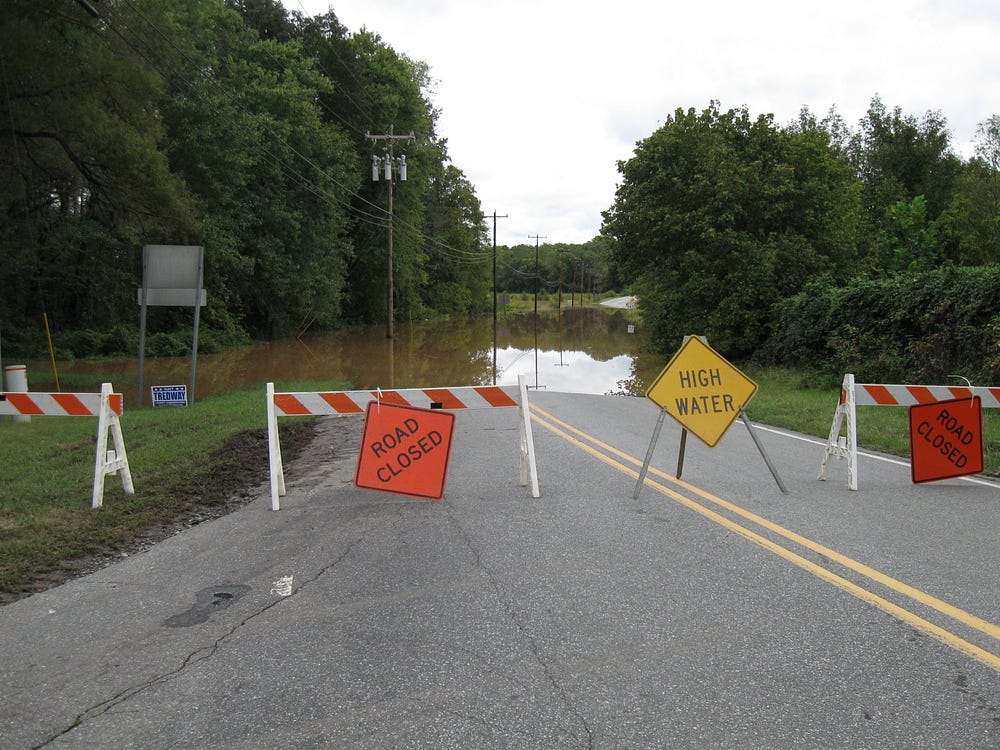
Ms. Arroyo’s testimony focused on the importance of building resilience into America’s transportation system. She mentioned the dangers that worsening natural disasters like floods, storms, and wildfires pose to our outdated infrastructure, as well as the need to transition to a lower-carbon system. Ms. Wicks offered some examples of how her home state of Delaware is already working to make their system more resilient, while Mr. Kuney described how reliable funding is key to this transition.
The witnesses also expressed support for developing a better understanding of risks, particularly those posed to critical lifeline corridors such as evacuation routes and roads that service critical areas like hospitals. Testimonies specifically noted the need for pre-disaster adaptation, arguing that states need improved tools and technical assistance, and incentives to modify codes, before disasters happen.
2. Consistent, flexible, and formula-based funding
Almost all witnesses emphasized the importance of well-designed funding mechanisms in the reauthorization. In particular, Director Reiner expressed the importance of continued federal support for surface transportation infrastructure in rural states, which are critical for sustaining a national transportation network. Significant federal investment in the infrastructure of these states would benefit almost every sector of the economy. Director Reiner also recommended that the reauthorized program should continue to use formula-based funding to ensure that states get the funding they need, a suggestion echoed by Director Braceras.
Ms. Arroyo and Director Braceras also indicated their support for increased flexibility to allow states to prioritize projects appropriately and adopt new technologies. States are on the front lines of infrastructure adaptation, according to Director Braceras, and should be given the freedom to invest in innovative projects. Reducing regulatory burdens was also cited as a priority by the witnesses.
3. Long-term reauthorization
Witnesses urged the committee to reauthorize the FAST Act on time to prevent disruptive delays in state projects, and to ensure that this reauthorization is long-term. Mr. Kuney centered his testimony around the importance of reliable funding to avoid project cancellations and delays. Ms. Wicks described how short-term reauthorizations can have damaging psychological impacts on state staff and inhibit the completion of necessary projects. When projects are delayed or canceled due to insufficient funding, the public also loses trust in state agencies, according to Director Braceras. Long-term, predictable funding is therefore key to both the successful functioning of state agencies and their well-being.
4. Supporting new technologies
Several witnesses recommended that the reauthorization remove barriers to implementing new technologies. More flexible funding is a component of this, but the reauthorization also offers a broader opportunity to shift the national paradigm, and become more open to and supportive of changes in our infrastructure system. States tend to be risk-averse, and therefore often shy away from untested solutions. Creating partnerships to share this risk between local and federal governments can encourage states to pursue riskier yet innovative opportunities to improve their infrastructure. The reauthorization should therefore incorporate this mindset.
Given the deficit in the Highway Trust Fund, the witnesses and lawmakers also discussed options for how the reauthorized bill might be funded. Ideas included requiring users to contribute based on their impacts through mileage-based taxes or increased contributions from trucking, channeling fossil fuel subsidies into FAST Act funding, and carbon pricing.
The witnesses that testified in front of the Senate Environment and Public Works Committee last Wednesday indicated how important consistent, appropriately allocated funding is to the day-to-day functions of transportation across the country. Their testimonies also spoke to the growing desire for a transition to a more proactive, resilience-based approach, and the enhanced flexibility and technical assistance states and local stakeholders will need to adapt our transportation system.
We are excited that resilience measures have become an important topic of consideration in the upcoming reauthorization, and will continue to keep coalition members updated with any new information we receive regarding the bill.
As always, if you have any questions or concerns please do not hesitate to contact us via social media or at info@floodcoalition.org.
This post was authored by Emma Guo, Policy Intern, and Lindsey Reitinger, Strategic Initiatives Intern.