



More than 60 local leaders gather in Washington, D.C. to prove resilience starts local
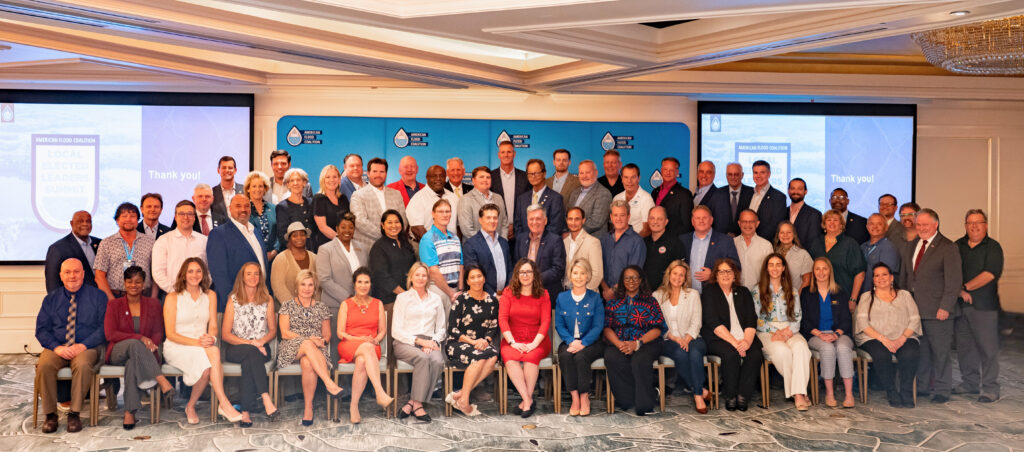
As storms grow stronger and floods become more frequent, the impacts are hitting communities faster than many can respond. Local elected leaders are often the first to face these challenges, and the first to demand action. In May, the American Flood Coalition (AFC) was proud to welcome local elected leaders from across the country to […]
Mayor Brian West Turns a Land-Use Pivot Into a Coastal Asset in Tybee Island, Georgia
How the site of a failed well project became a community park and the start of something bigger Tybee Island is a low-lying barrier island of around 3,000 residents just off the coast of Savannah, Georgia. Like other barrier islands, Tybee Island is highly vulnerable to coastal erosion, flooding, and sea level rise. For a […]
From the Field to the City: How Farming Practices Upstream Can Protect Communities Downstream
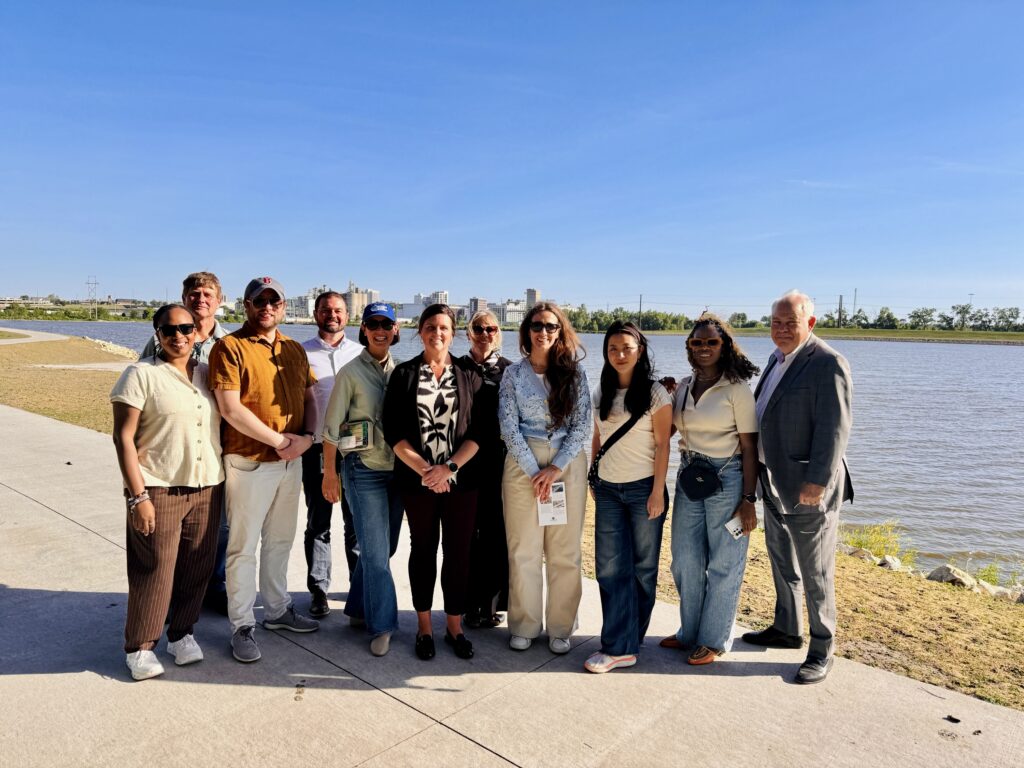
What does a field of relay intercropped rye and soybeans near Coggon, Iowa, have to do with a neighborhood in Cedar Rapids? As it turns out, a lot. AFC co-hosted a relay intercropping field day near Coggon alongside Iowa Learning Farms and Northeast Iowa RC&D to answer that very question. Relay intercropping is a type […]
Harnessing Nature for Transportation Resilience

From heavy rains to storm surge, flooding is an increasing threat to our nation’s roads, bridges, and surface transportation networks. More than 60,000 miles of U.S. roads and bridges are located in coastal floodplains, where higher seas and stronger storms threaten these critical lifelines. Inland, heavy downpours wash out pavement and erode bridge foundations, stranding […]
After Helene: When the math don’t math
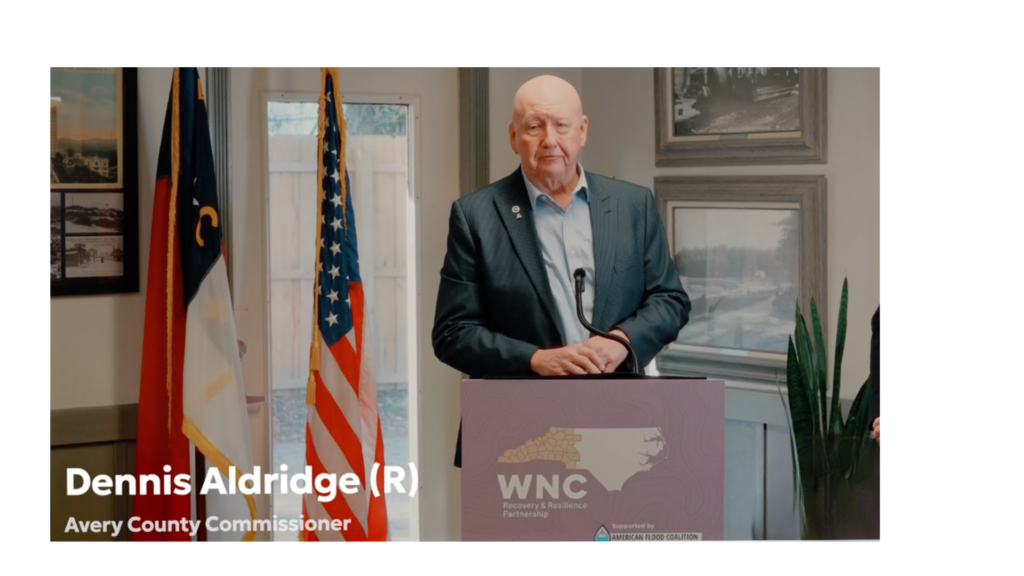
When the math don’t math Dennis Aldridge serves Avery County, North Carolina — a mountain community devastated by Hurricane Helene in 2024. More than eighteen months later, he is still confronting a $57 million recovery bill on a $42 million annual budget. Through the American Flood Coalition’s WNC Recovery & Resilience Partnership, Avery County is […]
Mayor Paul Shewmaker Builds Flood Resilience in Simpsonville South Carolina
How Stronger Standards, a Dedicated Fund, and Smart Partnerships Are Reducing Flood Risk in the Upstate When Mayor Paul Shewmaker took office, Simpsonville, South Carolina, had roughly 23,000 residents; today it is approaching 30,000. While that growth brings opportunity, it also brings risk. Simpsonville’s risk profile is classic for inland South Carolina: no major river, […]
North Carolina Leaders Exchange Recovery and Resilience Lessons in Cross-State Tours
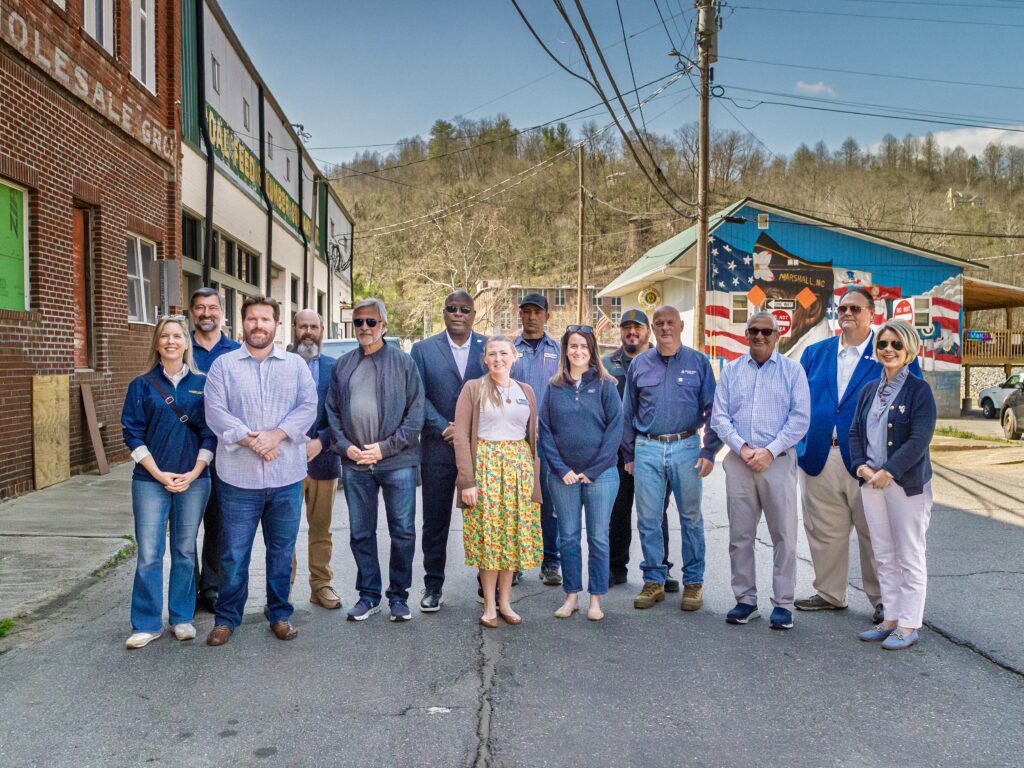
In late March, the American Flood Coalition (AFC) brought together leaders from across North Carolina for a cross-state exchange, connecting eastern and western communities to share hard-won lessons from flood recovery and strengthen the relationships needed for long-term resilience. The visits recognized that while flooding looks different in each place, the challenges of recovery and […]
Botetourt County, Virginia Deploys an Impact-Based Flood Warning System
How Sensors, Mapping, and Messaging Improve Flood Readiness In Botetourt County, Virginia, land use is changing fast. Farmland in the north is giving way to suburban development in the south, altering how water moves across the landscape. Fields that once absorbed heavy rain now shed runoff toward neighborhoods and roads built for another era. After […]
Mayor Brad Cavanagh Advances Flood Protection and Economic Stability in Dubuque, Iowa
How a Mississippi River City Balances System Upgrades With Neighborhood Relief Located at the crossroads of Iowa, Illinois, and Wisconsin, Dubuque serves as a regional anchor for the tri-state economy. Keeping roads open and neighborhoods safe during heavy rain is essential to that role. Mayor Brad Cavanagh is tackling two realities shared by many historic […]
Mayor Pro Tem Andrea J. Barefield Leads Equitable Flood-Smart Growth in Waco, Texas
How Infrastructure, Equity, and Opportunity Come Together Along the Brazos River The Brazos River is the reason Waco exists and the reason flood planning must be intentional. Historic floods, including the devastating 1913 flood, shaped the city’s layout, leaving older infrastructure and undersized drainage systems in areas where water still wants to go. Mayor Pro […]