

AFC connects 4 Iowa communities to build flood resilience

This month, the American Flood Coalition traveled to Iowa to connect with local leaders and find ways to address flood challenges and build resilience. 

AFC visited communities in its Iowa Flood Resilient Communities Cohort, a group of four municipalities working with AFC to navigate the federal funding landscape and advance community-driven flood projects. Specifically, AFC met with officials from each cohort community to identify and prioritize flood resilience projects that are eligible for federal funding. 

All four Cohort communities are in Eastern Iowa: Dubuque and Muscatine are on the Mississippi River; Columbus Junction is at the convergence point of the Iowa and Cedar Rivers; and Manchester is on the Maquoketa River, a tributary of the Mississippi. 

Given their shared identity as river cities, the communities face similar challenges of flash flooding and riverine flooding. Of course, they also have unique challenges, based on development and geography.  

In some communities, for example, repetitive flooding has stressed critical infrastructure — like fire departments and utilities — in low-lying areas. In others, flooding has disproportionately affected low-income neighborhoods. 

The communities are each at different stages in managing flood risk, ranging from upgrading stormwater infrastructure to adding more permeable pavement to developing more comprehensive flood plans at the watershed level.

A few common themes emerged from the trip: the need for robust community engagement, the value of multi-benefit projects, and the importance of taking a watershed approach that considers nature-based solutions.

The visits allowed AFC to engage community members on specific projects in their own town, while building connections across communities that face flooding. By working together to identify and develop flood projects, AFC and the cohort communities create a replicable model for communities across the country who are struggling to access federal funds. 

Photos from the trip
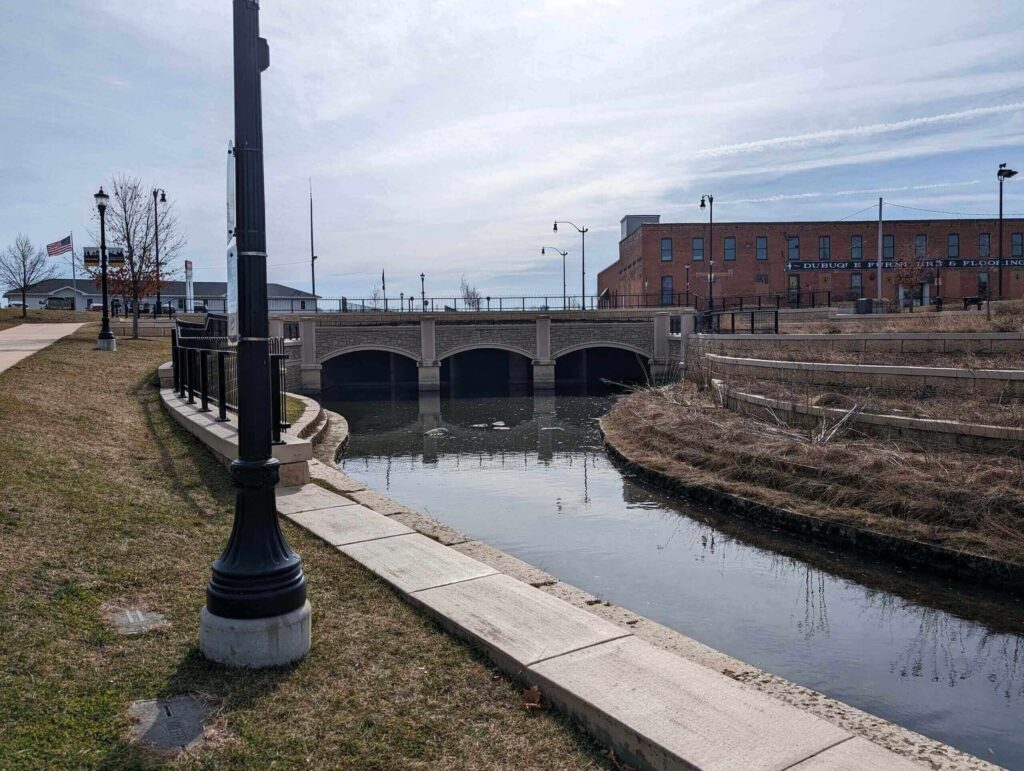
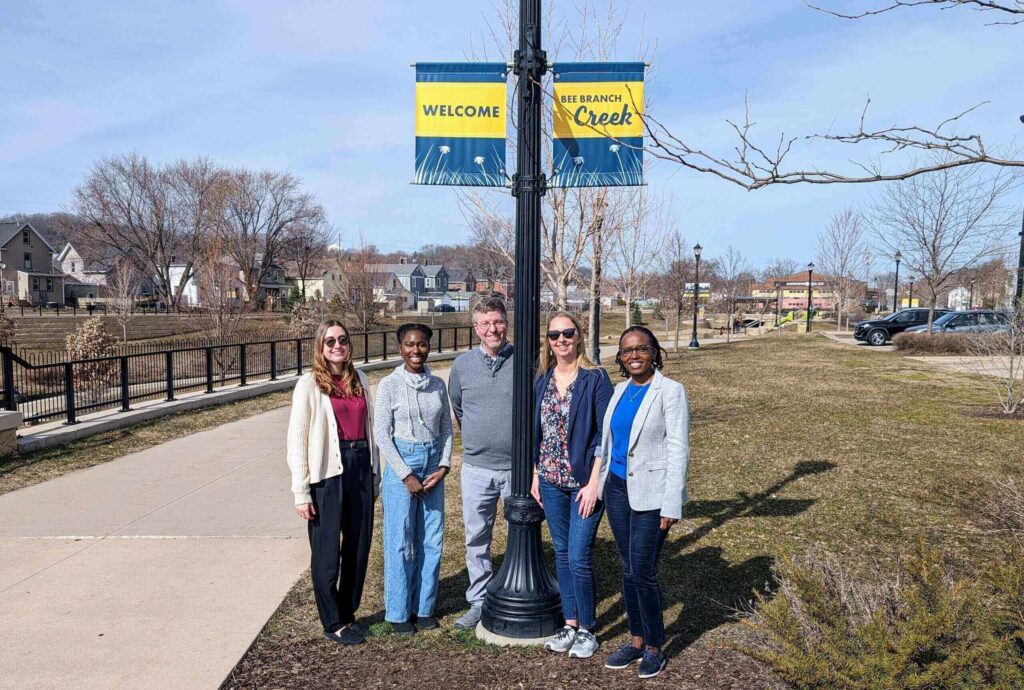
Bee Branch Watershed Flood Mitigation Project in Dubuque, Iowa.
At the Dubuque Bee Branch project site. AFC is with Kate Gianinni of the Iowa Flood Center and Deron Muehring, Director of the Water & Resource Recovery Center at the City of Dubuque.
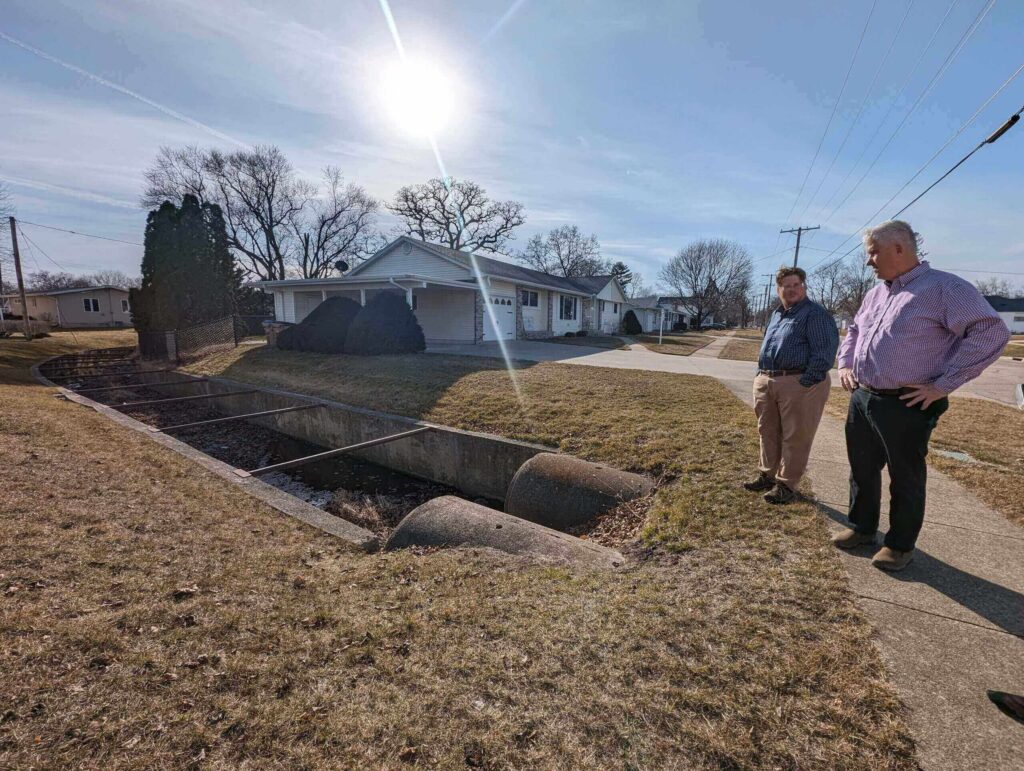
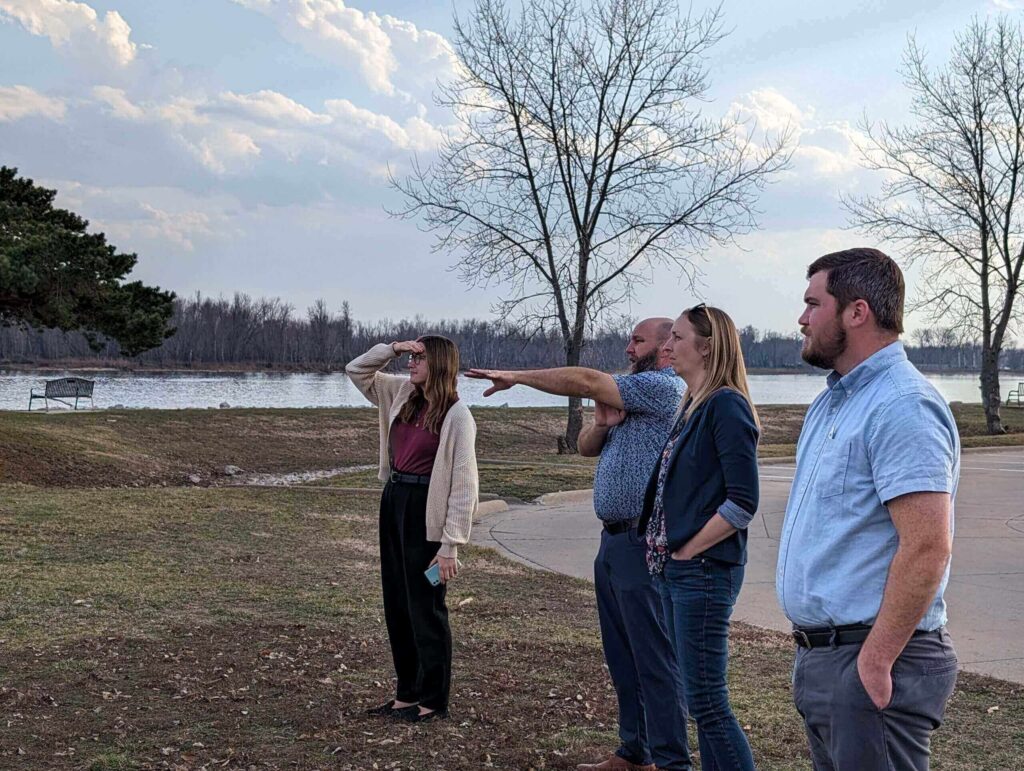
Manchester City Manager Timothy Vick and Engineer Ryan Wicks show a culvert in a neighborhood with low-lying areas exposed to repetitive flooding.
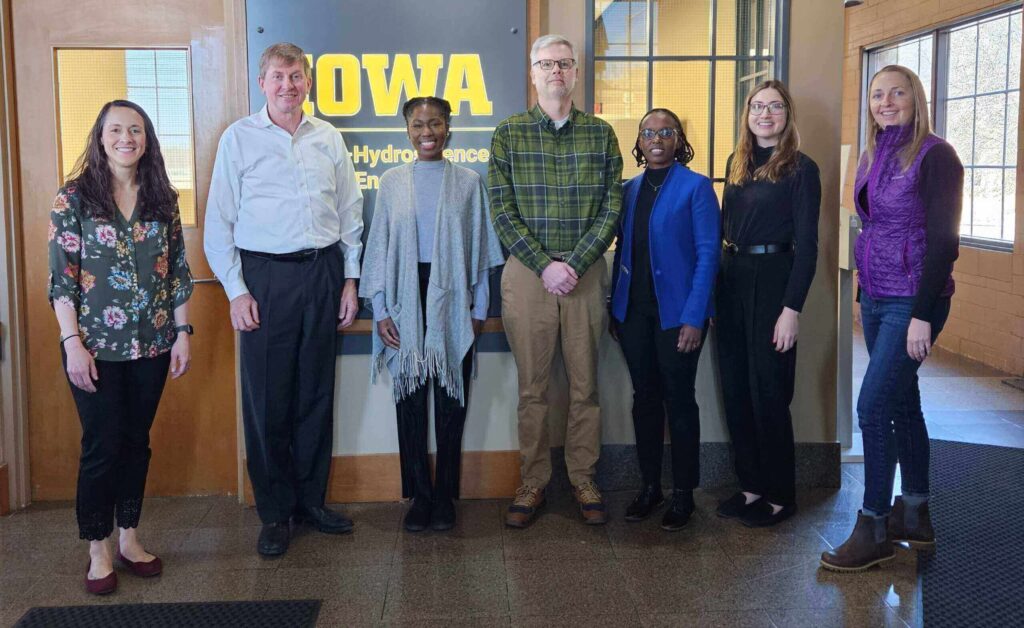
Left to right: Breanne Shea, Program Manager, Iowa Flood Center; Larry Weber, Director, Iowa Flood Center; Ruth Akintoye, Senior Strategy Associate, AFC; Nate Young, Associate Director, Iowa Flood Center; Yasmine Dyson, Associate Strategy Director; Summer Modelfino, Senior Strategy Director, AFC; and Kate Giannini, Program Manager, Iowa Flood Center.

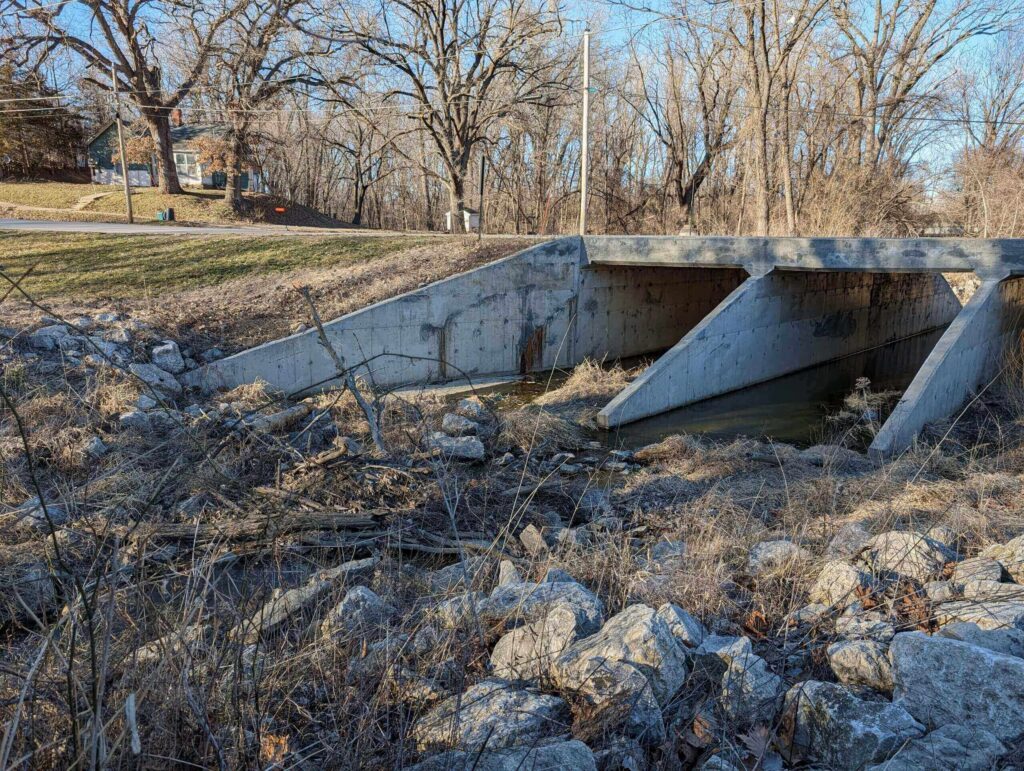
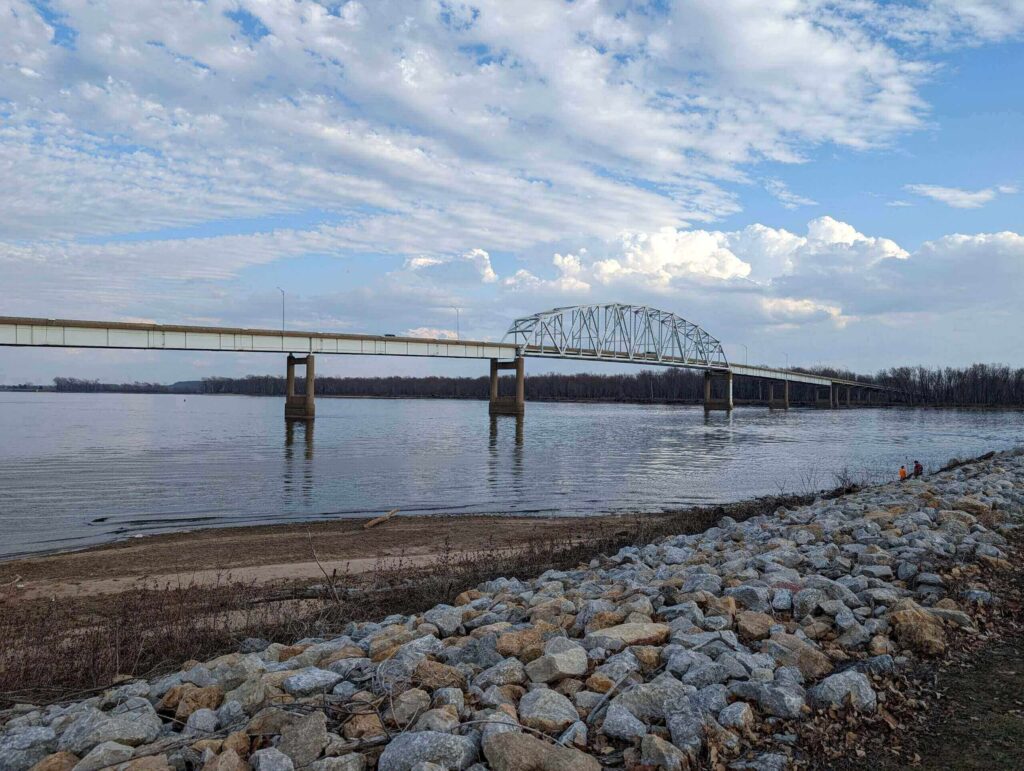
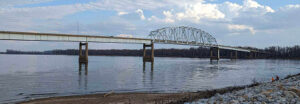
Bridge over the Mississippi River in the City of Muscatine, Iowa.
Left to right: Summer Modelfino, Senior Strategy Director, AFC; Brian Stineman, Public Works Director, City of Muscatine; Kate Giannini, Iowa Flood Center; and Kevin Coon City Engineer, City of Muscatine look at the flood control infrastructure along the Mississippi River.
Facebook
X
LinkedIn

Recent News

One year after Helene: Western North Carolina leaders highlight ongoing need for resources

The Carolinas and Florida advance flood resilience during sessions

Building resilience with flood-smart agriculture

Join Our Newsletter

Name(Required)

Help Me Choose

Which characteristics is your community looking for in funding opportunities?

Disaster declaration
A Presidential Disaster Declaration unlocks a suite of federal programs that assist local governments with disaster recovery. This is a good filter for communities included in recent Disaster Declarations related to flooding.
Nature-based solutions
The program has a strong focus on providing assistance to promote a healthy ecosystem as a critical defense against flooding impacts. Eligible activities may include floodplain restoration, environmental stewardship, projects that use natural features to mitigate erosion, and living shorelines.
Encourages public-private partnerships
The program encourages or requires collaboration between government entities and stakeholders, including the private sector, to fund, develop, or implement projects.
Offers rolling deadlines
The program accepts applications on an ongoing basis with no fixed deadline.

Is your project in the planning, design, or construction phase?

Planning
The gathering of data and information regarding the extent and impacts of flooding. Eligible activities may include data acquisition, risk assessment, and environmental analysis.
Design & scoping
Covers pre-construction activities, such as defining project scope, developing technical designs, and securing funding to prepare for implementation.
Construction & implementation
Involves carrying out flood resilience projects, including building infrastructure and deploying solutions to reduce flood risks.

Are you looking for grants, loans, or technical assistance for your project?

Funding (grants)
A monetary award that does not need to be repaid. Many federal grants are reimbursable, meaning recipients must cover project costs upfront and then request reimbursement from the government.
Financing (loans)
A government-issued loan that must be repaid. These loans typically provide funding upfront, helping communities cover project costs before repayment begins.
Technical assistance
Assistance from the government in the form of services — such as project planning, engineering and design support, data analysis, training, capacity building, or collaboration through a cooperative agreement — instead of direct funding.

Some programs provide extra support for specific project types or communities. Do any of these apply to your project?

Small or rural communities
Programs that set aside funding, offer loan forgiveness, or adjust cost share requirements for communities with smaller populations.
Small or low-cost projects
Programs that offer reduced requirements for smaller projects, such as waived cost-sharing or exemptions from benefit-cost analysis.
Regional or watershed focus
Programs that support projects that take a watershed management approach or address flooding at a regional scale, requiring coordination beyond a single town or community.
Tribal communities
Programs that dedicate resources or adjust cost share requirements specifically for tribal governments or organizations.