

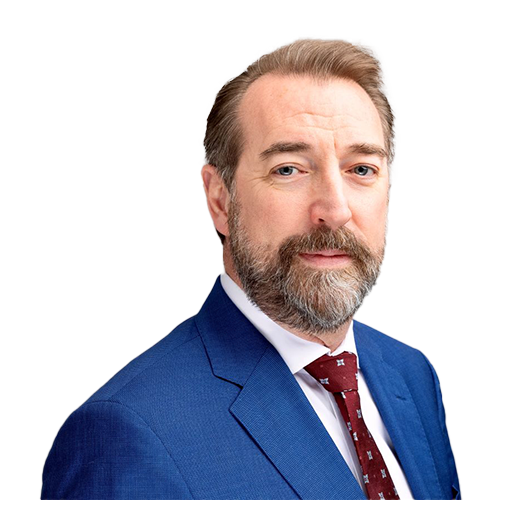
Anthony Sutton

Council Member for the Town of Waynesville, NC

Anthony Sutton is a dedicated public servant and seasoned professional with a passion for community development and governance. Currently serving as a Council Member for the Town of Waynesville, NC, Anthony brings a wealth of experience and commitment to his role. In addition to his municipal responsibilities, Anthony serves as the Director of Information Systems for Biltmore Farms, a position he has held since 1999. His tenure in this role underscores his expertise in technology management and strategic planning within the corporate sphere.

Beyond his professional endeavors, Anthony is deeply involved in regional planning and community engagement initiatives. As the Chairman of the French Broad River Metropolitan Planning Organization (FBRMPO), he plays a pivotal role in shaping the future of transportation and infrastructure development in the area. Furthermore, his involvement in the FBRMPO Prioritization Subcommittee demonstrates his hands-on approach to addressing critical regional issues. Anthony’s commitment to public health and social welfare is evident through his past leadership roles. He has served as Chair of the Haywood Healthcare Foundation, leveraging his expertise to support healthcare initiatives in the community. Additionally, his tenure as Vice-Chair of the Town of Waynesville Planning Board and Treasurer of REACH of Haywood underscores his dedication to fostering sustainable growth and addressing social challenges. Anthony Sutton’s multifaceted contributions to Waynesville and beyond reflect his unwavering dedication to building a prosperous future for all.

Join Our Newsletter

Name(Required)

Help Me Choose

Which characteristics is your community looking for in funding opportunities?

Disaster declaration
A Presidential Disaster Declaration unlocks a suite of federal programs that assist local governments with disaster recovery. This is a good filter for communities included in recent Disaster Declarations related to flooding.
Nature-based solutions
The program has a strong focus on providing assistance to promote a healthy ecosystem as a critical defense against flooding impacts. Eligible activities may include floodplain restoration, environmental stewardship, projects that use natural features to mitigate erosion, and living shorelines.
Encourages public-private partnerships
The program encourages or requires collaboration between government entities and stakeholders, including the private sector, to fund, develop, or implement projects.
Offers rolling deadlines
The program accepts applications on an ongoing basis with no fixed deadline.

Is your project in the planning, design, or construction phase?

Planning
The gathering of data and information regarding the extent and impacts of flooding. Eligible activities may include data acquisition, risk assessment, and environmental analysis.
Design & scoping
Covers pre-construction activities, such as defining project scope, developing technical designs, and securing funding to prepare for implementation.
Construction & implementation
Involves carrying out flood resilience projects, including building infrastructure and deploying solutions to reduce flood risks.

Are you looking for grants, loans, or technical assistance for your project?

Funding (grants)
A monetary award that does not need to be repaid. Many federal grants are reimbursable, meaning recipients must cover project costs upfront and then request reimbursement from the government.
Financing (loans)
A government-issued loan that must be repaid. These loans typically provide funding upfront, helping communities cover project costs before repayment begins.
Technical assistance
Assistance from the government in the form of services — such as project planning, engineering and design support, data analysis, training, capacity building, or collaboration through a cooperative agreement — instead of direct funding.

Some programs provide extra support for specific project types or communities. Do any of these apply to your project?

Small or rural communities
Programs that set aside funding, offer loan forgiveness, or adjust cost share requirements for communities with smaller populations.
Small or low-cost projects
Programs that offer reduced requirements for smaller projects, such as waived cost-sharing or exemptions from benefit-cost analysis.
Regional or watershed focus
Programs that support projects that take a watershed management approach or address flooding at a regional scale, requiring coordination beyond a single town or community.
Tribal communities
Programs that dedicate resources or adjust cost share requirements specifically for tribal governments or organizations.