

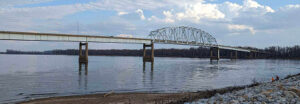
From heavy rains to storm surge, flooding is an increasing threat to our nation’s roads, bridges, and surface transportation networks. More than 60,000 miles of U.S. roads and bridges are located in coastal floodplains, where higher seas and stronger storms threaten these critical lifelines. Inland, heavy downpours wash out pavement and erode bridge foundations, stranding communities and triggering expensive emergency repairs.
There’s a smarter, more cost-effective way forward.
When used strategically, nature-based and hybrid infrastructure solutions can protect our transportation network while stretching every dollar further.
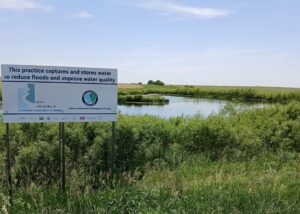
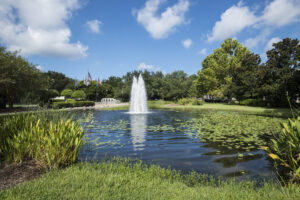
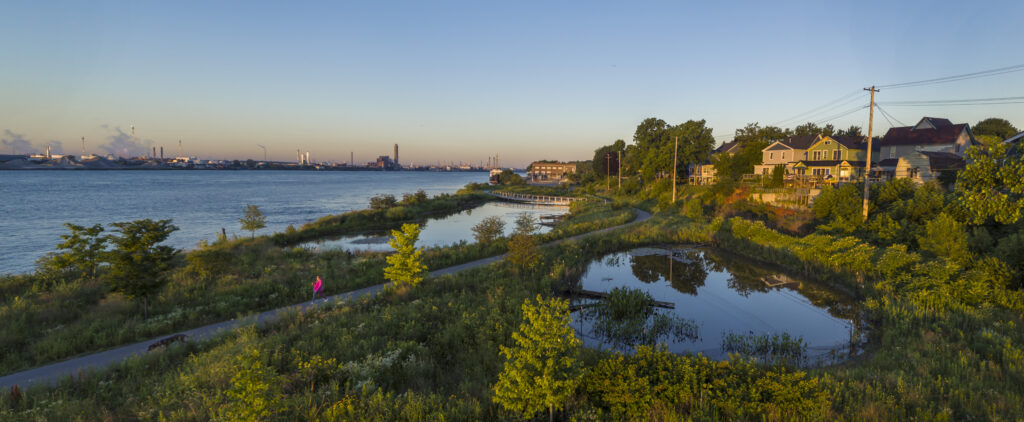
Wetlands and restored floodplains soak up stormwater before it reaches a roadway. Living shorelines and marshes blunt the force of waves and storm surge before they batter coastal highways. Where natural solutions alone can’t provide protection, hybrid approaches that pair natural features with engineered structures deliver the best of both strategies.
This kind of balanced approach makes intuitive sense. Built infrastructure that provides immediate protection tends to deteriorate over time, while natural infrastructure adapts, grows, and repairs itself. Blending these approaches can lead to lower life-cycle costs, fewer emergency repairs, and a higher return on the public’s investment.
Embedding natural solutions into our transportation system doesn’t only mean more resilient roads. The same wetland that keeps a highway dry also filters water and traps sediment before it reaches communities downstream. A floodplain that protects a bridge also creates wildlife habitat and healthier waterways, supporting local outdoor recreation economies that bring real dollars into rural communities. And green spaces near roadways improve air quality and public health, lowering long-term costs for everyone.
What’s standing in nature’s way
So why aren’t we doing more to harness these benefits? Outdated federal and state policies are part of the challenge.
- Planning silos. Most federally funded transportation assets are never evaluated against natural hazards because resilience planning is treated as optional. But floods don’t respect planning requirements, and failing to require that all assets be reviewed through a hazard lens means cost-effective natural solutions are overlooked before they’re even considered.
- Funding and knowledge gaps. Programs like the Promoting Resilient Operations for Transformative, Efficient, and Cost-saving Transportation (PROTECT) grant program take a step in the right direction, but as long as the federal cost-share is identical for green and gray projects, states will default to what they know. And without clear guidance on how to measure the performance of natural infrastructure, these approaches will continue to be seen as nice add-ons rather than a core resilience strategy.
- Scoring barriers. Federal benefit-cost analyses systematically undervalue the long-term payoff of natural infrastructure projects. Under current standards, Department of Transportation (DOT) officials can more easily justify a concrete wall than a restored wetland, even if the wetland would provide greater long-term flood protection at lower cost.
- Missing state-level coordination. A flood that overwhelms a highway culvert is often driven by the same watershed dynamics that the state agriculture department and the natural resource agency are already addressing. But with siloed budgets and no formal way to collaborate, multi-agency projects that could deliver more holistic value in terms of resilience and healthier watersheds rarely get off the ground.
Unleashing the power of natural infrastructure
These barriers won’t disappear overnight, but the following practical reforms would unlock real savings, stronger infrastructure, and bigger co-benefits:
- Bake resilience into federal planning requirements. Require every federally funded transportation asset to be screened for natural hazard risk, helping states spot vulnerabilities early and choose the most cost-effective fix, including nature-based options, before disaster strikes.
- Reward innovative nature-based solutions within competitive programs. Build on the PROTECT grant program by offering 100% federal cost share for nature-based elements. Doing so will expand states’ ability to test new approaches and build knowledge of proven strategies across more geographies.
- Modernize benefit-cost scoring. Update federal scoring criteria to reflect the full life-cycle value of natural projects, including avoided maintenance costs and co-benefits like healthier watersheds. Extending evaluation timelines and helping states develop guidance on quantifying benefits in their unique contexts can help recognize nature’s full benefits.
- Support cross-agency coordination. Offer financial incentives for states to coordinate resilience planning across DOTs, agriculture departments, natural resource agencies, and other relevant jurisdictions. This approach can unlock watershed-scale projects, such as floodplain reconnection and upstream wetland restoration, that deliver results no single agency could achieve alone.
Building resilience through nature
As AFC works with states and communities to harden transportation networks against extreme weather, these reforms can help leaders deploy natural and hybrid solutions that better absorb storm surge, protect bridge foundations, and keep roads open. At the same time, these steps can support healthier watersheds, safer communities, and smarter use of taxpayer dollars. By working with nature, rather than around it, we will build a more resilient future.