

“Since Helene struck, we have had to navigate a system that is fundamentally broken,” said a North Carolina commissioner. “Reform is clearly needed. We need less paperwork and faster relief.”
Over the last decade, the federal government spent $558 billion on disaster response—in the ballpark of what it spent on its share to build the entire Interstate Highway System in today’s dollars—and communities are still losing ground. For that price tag, Americans deserve a proactive, cohesive federal system of programs and funding that keeps them safer and stretches every taxpayer dollar further. Right now, we’re failing on all accounts.
Paying to rebuild, not to protect
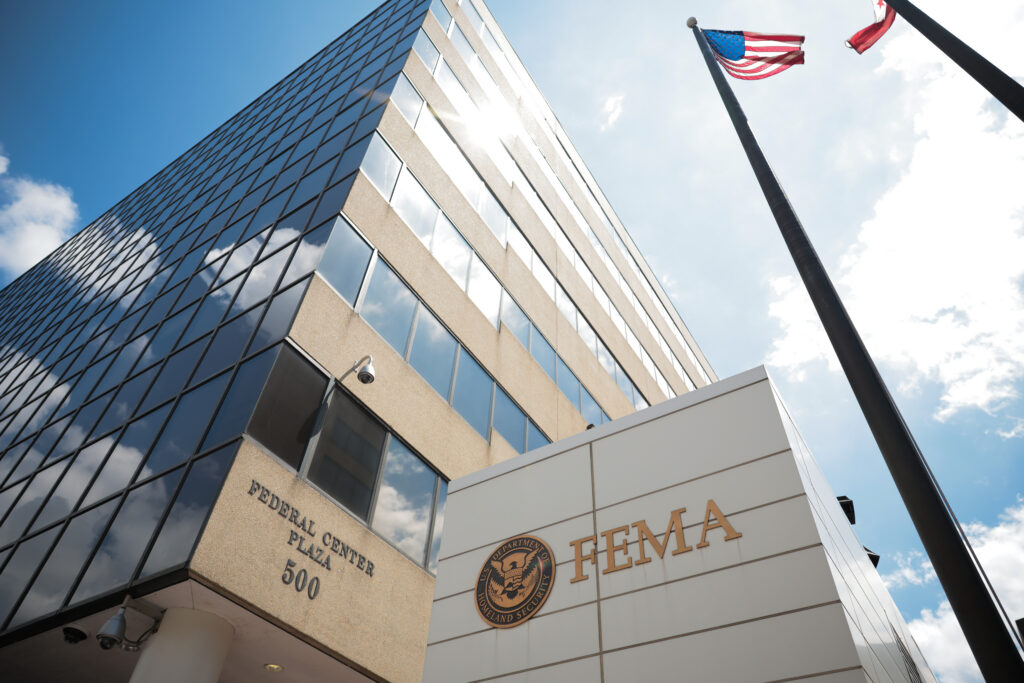
As of August 2026, of every dollar the Federal Emergency Management Agency (FEMA) spends after a disaster, 96 cents goes toward cleanup and recovery, while only 4 cents goes toward prevention. And current rules often lock communities into rebuilding exactly what failed.
“FEMA told us that if we didn’t build back the same way, we wouldn’t get funding,” said an Iowa mayor. “For a park in a historically underinvested area, FEMA required us to put up a 4-foot retaining wall — like a prison.”
The return on prevention is clear: every $1 in federal mitigation grants saves $6 in future disaster costs, and up to $13 when broader economic impacts are counted. Smarter built infrastructure investments, combined with natural strategies like restored floodplains and wetlands, can protect more people at lower long-term cost. But communities can only access those benefits if the federal system is built to support them.
Complexity that costs communities
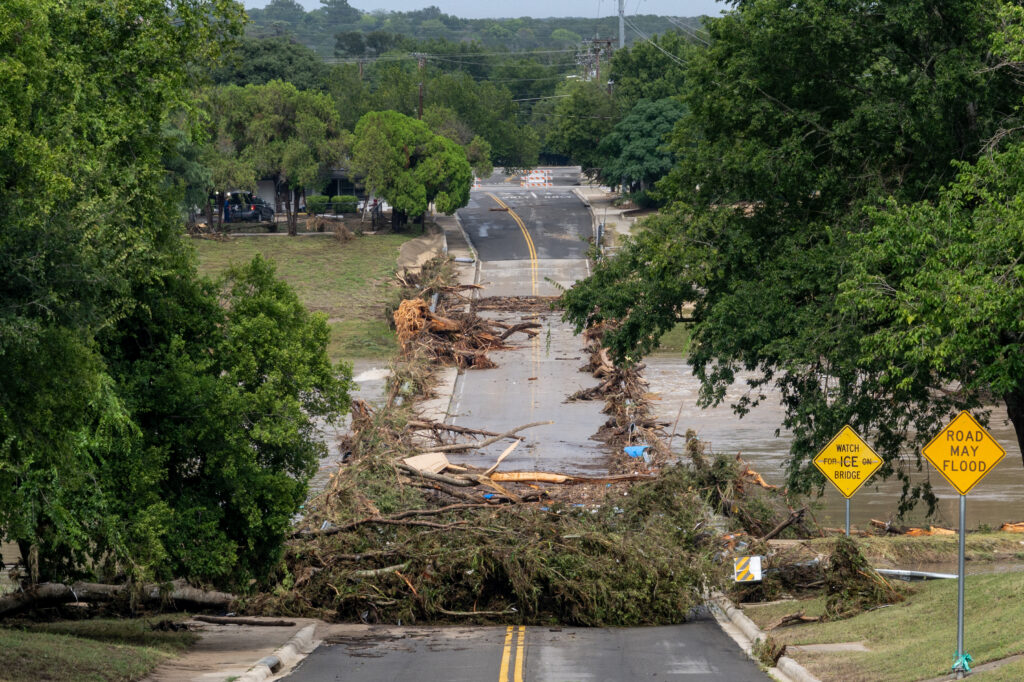
Even leaders ready to invest in better solutions face a labyrinth. Federal disaster recovery and resilience funding is spread across 130+ programs across 20 federal entities, each with its own rules and definitions.
“When you’re staring down a list of dozens of federal programs, it’s challenging if not impossible to know which ones make the most sense,” said a South Carolina mayor.
The complexity defaults decision-makers to going with the familiar option instead of the better solution.
“I have staff with PTSD from federal reporting,” said a Missouri mayor. “They’ve gotten burned on a project, and now they don’t want to go after federal dollars.”
Even once the actual paperwork is done, recovery drags on as local governments await federal reimbursement. Twenty-eight percent of counties wait more than six years for reimbursement on disasters they’ve already survived.
Five reforms to deliver results
“I’m not here to ask for funding,” said a North Carolina official after Helene. “I’m here to ask for structural change, to make things better for us after the next storm.”
Instead of helping build safer, better-prepared communities and quickly deploying relief when disasters do strike, our system is failing the very people it’s intended to serve. The following five reforms would deliver better results:
1) As an immediate step, restructure FEMA’s Building Resilient Communities and Infrastructure (BRIC) program to give states more resources and flexibility to lead resilience solutions
State leaders understand their hazard profiles and vulnerabilities, whether from floods, heat, wildfires, or drought, far better than distant federal agencies.
However, with BRIC’s current program structure, FEMA HQ determines how most of the program’s funds are spent through a national competition, sidelining state-level decision-making. Additionally, BRIC’s complex application processes typically favor communities with more resources, leaving smaller, rural, and lower-income jurisdictions behind.
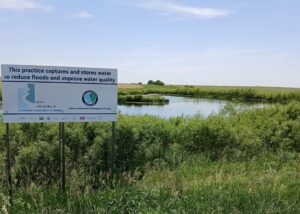
As an immediate solution to these challenges, AFC recommends restructuring BRIC as a formula-based program that empowers states to steer predictable, flexible resilience investment based on their priorities and risks. Giving states a bigger say over their BRIC dollars would make it easier for them to deliver watershed-scale solutions that protect people from multiple hazards and work across jurisdictional lines through projects such as floodplain reconnection, upland reforestation, or coastal wetland restoration.
2) To fully transform federal resilience, simplify the landscape of ~20+ hazard mitigation programs into three core programs with clear objectives
Let’s say a local leader wants to take steps to reduce their community’s risk before disaster strikes by relocating critical facilities, installing bioretention basins, acquiring flood-prone properties, or restoring streams and wetlands.
Of the 130+ existing programs that address resilience, there are 20+ programs at 7 federal entities that fund hazard mitigation activities. So to tackle any of the projects above, a part-time mayor and their overstretched staff would have to compare 20+ programs’ eligibility, requirements, applications, and timelines to see which option is the best fit.
What if we invested the same amount of money into just three core hazard mitigation programs with clear yet flexible goals:
- National Resilience Grant Program: Annual formula funding to states for hazard mitigation projects that protect communities by reducing risk to public infrastructure and public facilities, as well as funds for the early planning and predevelopment work needed to move projects forward. States with federally declared disasters would receive an immediate funding plus-up on top of their annual allocation for projects in impacted areas.
- Resilient Homes Program: Annual formula funding to states for hazard mitigation projects that protect people by reducing risk to individual homes. States with federally declared disasters would receive an immediate funding plus-up on top of their annual allocation for projects in impacted areas.
- Resilience Innovation Competition: Competitive grant program for larger-scale projects that demonstrate proof of concept and create replicable models for innovative resilience strategies.
A streamlined system along these lines would be a net win for hazard mitigation: Communities would have far easier access to resilience funds through their state, states would have more flexibility while administering fewer programs overall, and the same amount of taxpayer dollars we currently invest across dozens of programs would go much further.
Most importantly, everyone would spend less time fighting through bureaucracy and more time investing in solutions that actually work, including natural infrastructure that can deliver across hazards like flooding, drought, and wildfire all at once.
3) Take a multihazard approach so programs don’t miss opportunities for resilience
Congress should mandate that federal programs — from the U.S. Department of Agriculture (USDA) conservation programs to the U.S. Department of Housing & Urban Development (HUD) community development grants — explicitly support multi-hazard resilience, including nature-based approaches that tackle challenges together. Every major federal program should be required to do so.
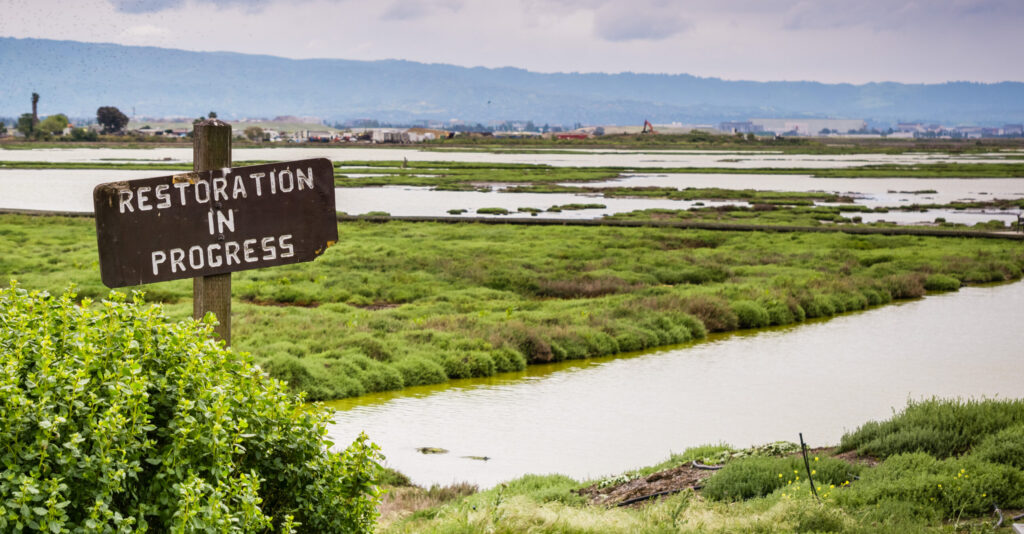
For example, USDA’s Natural Resources Conservation Service (NRCS)’s Watershed and Flood Prevention Operations (WFPO) program is one multi-purpose program focused on protecting and restoring watersheds that could be even more effective with an explicit multi-hazard approach.
In addition to watershed protection, WFPO funds flood prevention, fish and wildlife, agricultural water management, and more. However, wildfire risk reduction strategies such as post-fire watershed stabilization or creating defensible space aren’t included among its authorized purposes, even though these activities feasibly support the underlying watershed-health goals the program is built around. Expanding eligible activities to explicitly include wildfire-related watershed protection would extend WFPO’s existing multi-benefit orientation and better support multihazard resilience.
4) Unlock an initial percentage of disaster recovery dollars based on parametric triggers to kickstart recoveries with less red tape
After a disaster, federal recovery dollars take far too long to reach those in need, particularly as state and local governments and FEMA take the time to complete damage assessments and scope projects.
Even after initial damage assessments are done, our system expects communities to pay tens of thousands, or often millions, of dollars up front for urgent needs like debris removal, as well as larger recovery projects, before seeking reimbursement. The reimbursement model puts most communities under significant financial stress, as very few cities and towns have annual budgets or reserves to pay for multiple projects up front, or the fiscal runway to wait months or even years for FEMA to approve reimbursements on a project-by-project basis.
Providing at least a portion— for example, 30% — of anticipated federal recovery dollars upfront would allow communities to move forward with urgent debris removal, structure stabilization, and other repairs without delay. Under this two-tiered system, communities would receive an initial round of funding based on a parametric trigger — when a predetermined condition is met — and a second round based on documented damage. Measurable parametric triggers would differ for various hazards, such as cumulative rainfall over a set period of time or sustained wind speeds that exceed a set threshold.
This tiered approach would empower states and local communities to tackle immediate needs faster and ease cash flow constraints while still ensuring bigger-ticket projects reflect documented damages and are appropriately scoped, with future resilience in mind.
5) Align rules and expand eligible activities under core disaster recovery programs to help communities rebuild smarter
After a disaster, federal programs often force communities to reconstruct exactly what failed, undermining smarter recoveries that would better prepare them for the next storm. For instance, USDA’s Emergency Watershed Protection program cannot fund repairs beyond pre-disaster levels, meaning communities can’t use recovery dollars to restore floodplains or green buffers that would reduce future damage. Similarly, FEMA’s Public Assistance program’s default approach is to restore infrastructure to its pre-disaster condition, with limited options to incorporate mitigation features or nature-based solutions.
To solve this, AFC proposes aligning rules and expanding eligible activities under disaster recovery programs — especially across FEMA, USDA, HUD, the U.S. Army Corps of Engineers, and dollars administered by the National Fish and Wildlife Foundation — to create consistency and allow communities to build back stronger. In addition to covering upgrades where appropriate, federal programs should incentivize and support states and communities in doing so. Programs should also reward multi-benefit activities such as restoring eroded streambanks or establishing vegetation as eligible solutions that deliver even greater value long-term.
Getting to a better place
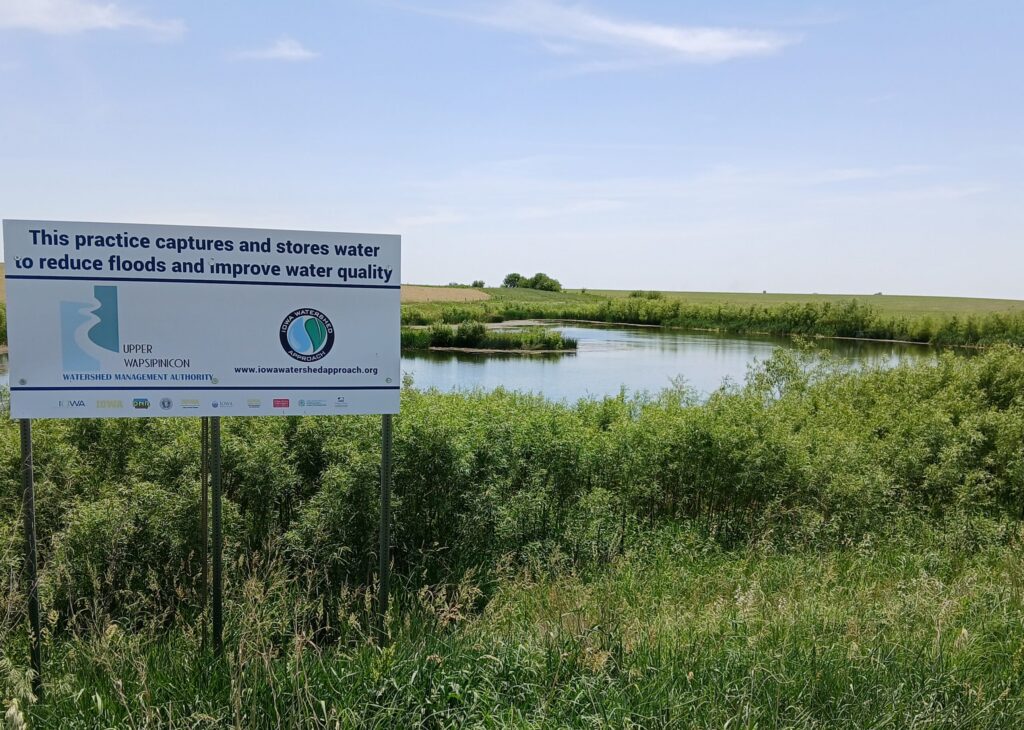
“We’re not trying to get back to where we were before the storm,” said a North Carolina commissioner. “We’re trying to get to a better place.”
To get to a better place, we must break from a system that largely waits for disasters to strike, then locks communities into rebuilding exactly what failed while fighting for reimbursement.
Instead, we need a simpler, proactive system that harnesses every available strategy to buffer communities from multiple hazards, with enough flexibility and funding so every community can tackle these challenges.
These reforms are how we stop paying for the same disasters over and over again, and start investing and living in a safer, more resilient America.